


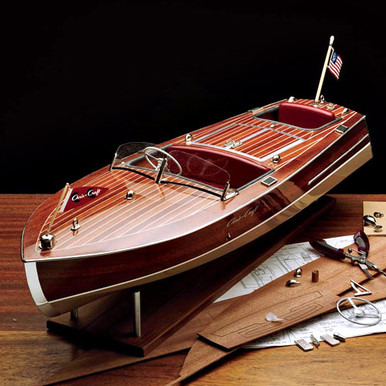
Unlocking the Wooden Boat Kit: Beyond the Plans
Wooden boat kits offer a captivating blend of craftsmanship, history, and personal achievement. But beyond the romantic allure, choosing the right kit and maximizing its potential involves nuanced considerations rarely discussed. This article delves into those often-overlooked aspects, aiming to empower both seasoned builders and enthusiastic newcomers.
The Saltwater vs. Freshwater Conundrum: More Than Just Paint
Most discussions about wooden boat kits focus on aesthetics and construction. But the intended environment â€" saltwater versus freshwater â€" drastically impacts the long-term viability of your project. It's not just about choosing marine-grade paint (although that's crucial!).
Q: How does saltwater affect the choice of wood species in a boat kit?
A: Saltwater's corrosive nature necessitates selecting wood species inherently resistant to rot and degradation. While cedar and mahogany are popular choices, their susceptibility to saltwater exposure necessitates diligent maintenance. Consider denser hardwoods like teak or iroko, which offer superior natural protection. Researching the Janka hardness scale for different species can offer valuable insights into their durability.
Q: Beyond the wood, what other components need special attention for saltwater use?
A: Fasteners are a critical consideration. Standard galvanized steel fasteners will corrode rapidly in saltwater. Opt for stainless steel or bronze alternatives. Similarly, the type of epoxy and sealant used needs to be explicitly rated for marine applications. Ignoring these details can lead to costly repairs and potentially endanger the vessel’s integrity.
Beyond the Instructions: Personalizing Your Kit
Many boat kit instructions follow a rigid, prescribed path. But where's the fun in that? Let's explore ways to inject your own creativity and enhance the boat's performance.
Story: The Kayak That Learned to Surf
One hobbyist, inspired by a simple kayak kit, decided to incorporate a modified rocker profile into the hull design. This wasn't in the instructions, of course, but his research and careful calculations resulted in a kayak significantly more agile and stable in rougher waters, even handling small waves with surprising grace. This example highlights the potential for innovation and customization within the constraints of a kit.
Q: How can I improve the performance characteristics of a boat kit beyond the basic design?
A: Consider incorporating modern materials strategically. For instance, adding carbon fiber reinforcement in high-stress areas can dramatically increase the boat's structural integrity without adding significant weight. Researching hydrodynamics and experimenting with hull shapes (within reason!) can also lead to significant improvements in speed and stability. However, always ensure any modifications are structurally sound and don't compromise the safety of the vessel.
Educational and Economic Implications: The Unsung Benefits
Building a boat from a kit extends beyond a personal project; it offers valuable educational and economic opportunities.
Q: How can wooden boat kits be used in educational settings?
A: Boat kit construction offers a hands-on, multidisciplinary learning experience. It combines woodworking skills with physics (hydrodynamics, buoyancy), geometry (design and measurement), and even history (exploring different boatbuilding traditions). Educational institutions can utilize kits to create engaging projects that integrate multiple subjects, fostering critical thinking and problem-solving abilities.
Q: What are the potential economic benefits of building a wooden boat from a kit?
A: While the initial investment in a kit is substantial, the cost per hour of labor is often lower than hiring a professional boat builder. Moreover, the finished product represents a tangible asset with potential resale value. Furthermore, building a boat from a kit can cultivate skills leading to future employment in woodworking or marine industries.
Building a boat from a kit is more than assembling pre-cut pieces; it's about crafting a unique experience, learning valuable skills, and creating a lasting connection to the water. By pushing beyond the standard instructions and embracing innovative solutions, you can truly unlock the immense potential hidden within those wooden planks.


No comments:
Post a Comment
Note: Only a member of this blog may post a comment.