


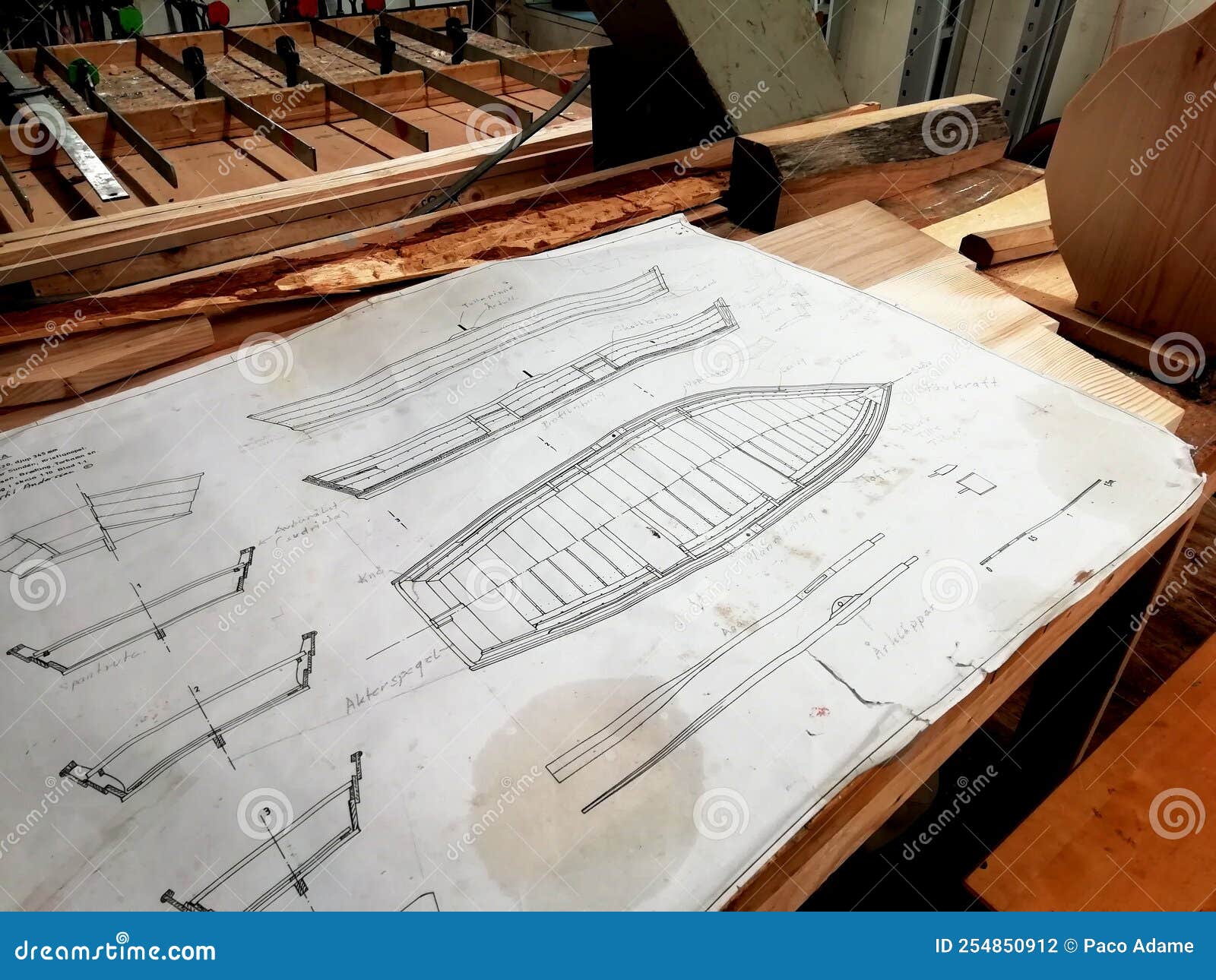
Beyond the Lines: Unveiling Hidden Secrets in Boat Building Plans
Building a boat from plans is a challenging yet rewarding endeavor. While many resources focus on the mechanics of reading plans, “How to Read and Interpret Wood Boat Plans for Accurate Builds†(let's call it “the bookâ€) serves as a solid foundation. However, true mastery lies in understanding the unspoken nuances, the ‘why’ behind the lines and dimensions. This review delves into those often-overlooked aspects, offering fresh perspectives for hobbyists and professionals alike.
Decoding the Unspoken Language of Wood Boat Plans
The book provides the basics, but what about the subtleties? Let's explore some critical questions rarely addressed.
Q: How do plans account for wood movement? Aren't they just static blueprints?
A: This is a crucial point often missed. Wood expands and contracts with changes in humidity. The book touches on this, but rarely explores the practical implications. Experienced builders know that carefully selecting wood with stable characteristics (like appropriately seasoned teak or cedar) is vital. Furthermore, understanding the plan's design â€" how components are joined and the type of fastenings used â€" becomes key to mitigating these movements. For instance, using through-bolting with generous oversized holes allows for seasonal wood movement without stressing the joints. Ignoring this can lead to cracking, warping, and ultimately, a failing vessel. Consider researching specific species' movement coefficients and how they influence your build choices.
Q: The plans show perfect lines; how do I deal with imperfections in real-world lumber?
A: The book emphasizes precision, but real-world wood isn't perfect. Knots, twists, and variations in grain are inevitable. Here's where experience and creativity come into play. Instead of rigidly adhering to the plans, learn to adapt. Consider using wider boards than specified to accommodate flaws. This often results in a stronger, more characterful vessel. A good builder accepts imperfections and uses them to their advantage.
Beyond the Blueprints: The Human Element in Boatbuilding
Building a boat isn't just about following instructions; it's a creative process.
Real Story: The Case of the Crooked Keel
I once witnessed a seasoned boatbuilder tackle a seemingly disastrous situation. The keel, a critical component, had a slight curve in the wood grain. Following the plans strictly would have resulted in a structurally unsound boat. Instead, he expertly manipulated the joinery, subtly adjusting angles and reinforcing critical areas, resulting in a successful launch. This highlights the importance of adapting the plans to the material, not the other way around.
The Importance of Material Selection Beyond the Specified Species
The book will typically suggest a specific wood type. However, what if that wood isn't locally available or cost-prohibitive? Understanding the *properties* of woodâ€"strength, workability, and resistance to rotâ€"is more critical than sticking to a specific species. The plan's design should guide your choice, not limit it. Researching suitable alternatives, and consulting seasoned builders, can lead to successful and sometimes even improved outcomes.
Educational Applications and Future Developments
The book’s strength lies in its clear instructions. However, it could benefit from incorporating interactive elements. For example:
- Augmented reality (AR) overlays: An AR app could superimpose digital plans onto the physical work, enhancing comprehension and reducing errors.
- Digital material databases: Integrating a database of wood properties with the plans would help users select appropriate alternatives based on availability and cost.
- Case study integrations: Including examples of real-world projects, highlighting problem-solving and adaptation techniques, would be invaluable for learners.
In conclusion, while “How to Read and Interpret Wood Boat Plans for Accurate Builds†provides a strong foundation, true boatbuilding mastery requires understanding the nuances, embracing the human element, and adapting to unforeseen circumstances. By focusing on these often-overlooked aspects, we can elevate boatbuilding from a mere construction project to a true craft.


No comments:
Post a Comment
Note: Only a member of this blog may post a comment.