


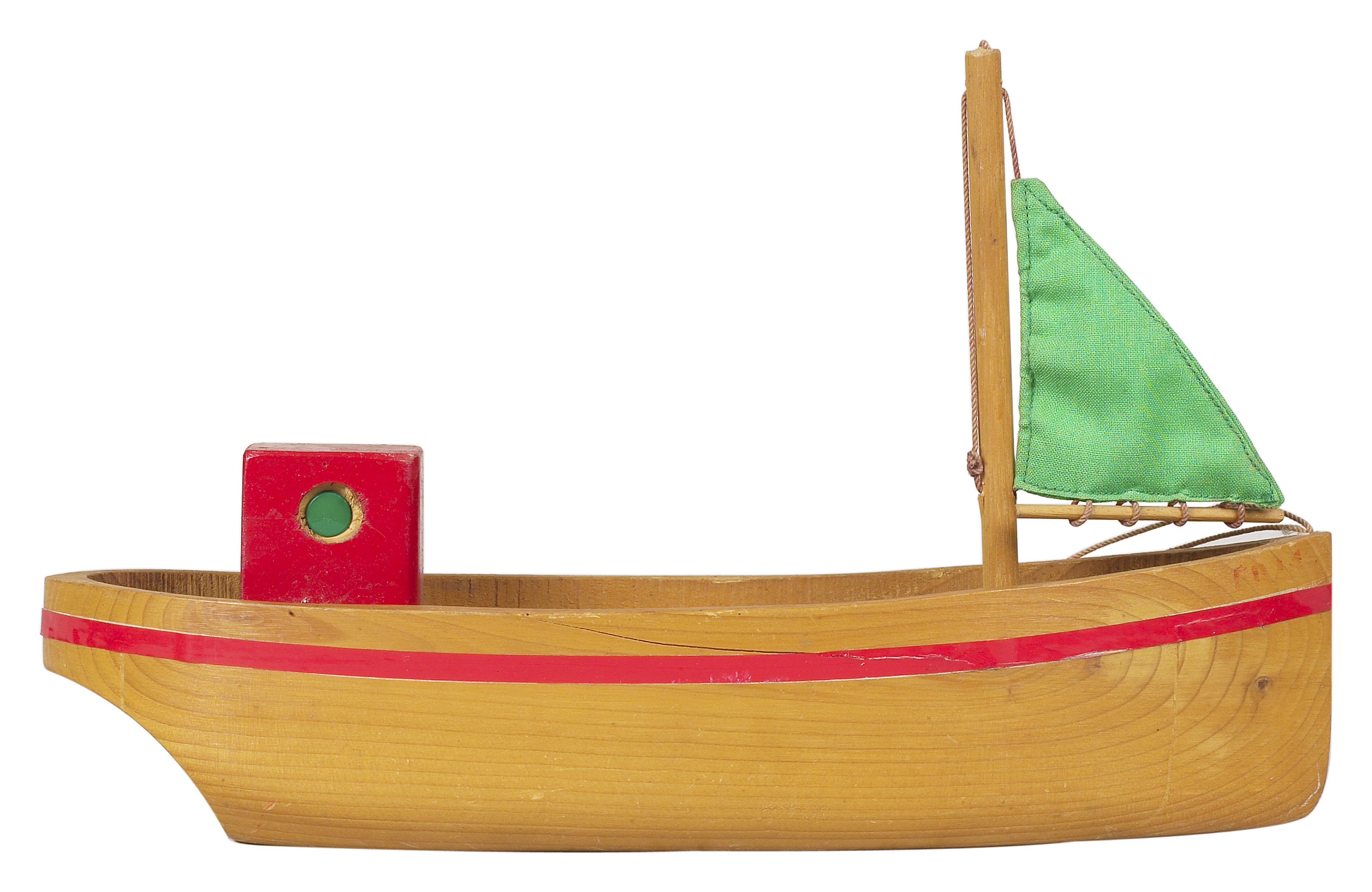
Building a Stable, Performing, and Comfortable Wooden Boat: A Comprehensive Guide
Hey there, fellow boat enthusiasts and woodworking wizards! Building a wooden boat is a rewarding challenge, but getting it right â€" stable, quick, and comfy â€" takes some planning. This guide walks you through the process, from initial design to final varnish.Phase 1: Design and Planning - The Blueprint for Success
Before you even pick up a saw, you need a solid plan. This isn't just about aesthetics; it's about ensuring your boat is safe and performs well.Choosing Your Boat Type:
What kind of boat are you aiming for? A simple rowboat? A sleek kayak? A more ambitious sailboat? Each type has unique design considerations. Research different hull designs â€" canoes, kayaks, dinghies â€" and consider their strengths and weaknesses. A wider hull means more stability, but potentially slower speed. A narrower hull is faster but less stable.
Material Selection:
The type of wood you choose dramatically impacts the boat's weight, strength, and durability. Cedar is lightweight and rot-resistant, making it popular. Oak is incredibly strong but heavier. Mahogany is beautiful but pricey. Consider your budget and the intended use of the boat.
Building Your Plans:
You can find pre-made plans online or in books, but many experienced builders create their own. If you're designing from scratch, carefully consider the dimensions, buoyancy, and the overall shape of the hull. Accurate measurements are critical for stability and performance.
Phase 2: Construction - Bringing Your Design to Life
This is where the real fun (and work!) begins. Remember safety first! Always wear appropriate safety gear, including eye protection and gloves.Cutting and Shaping the Wood:
Precise cutting is essential. Use sharp tools â€" a good quality handsaw or a bandsaw will make a huge difference. Follow your plans meticulously when shaping the hull components. Consider using jigs and templates for repeatable accuracy.
Assembling the Hull:
This is often done using traditional methods like clinker building (overlapping planks) or carvel building (butted planks). Each method requires different skills and techniques. Careful joinery is paramount for a strong and watertight hull. Consider using marine-grade epoxy and screws/fasteners designed for wet environments.
Adding Decks and Seating:
Once the hull is complete, you'll add decks and seating to improve comfort and stability. This is a great opportunity to personalize your boat. Think about ergonomics and where you'll want to be positioned while rowing or sailing.
Phase 3: Finishing Touches - Elegance and Protection
The final steps are crucial for both the boat's appearance and its longevity.Caulking and Sealing:
To prevent leaks, carefully caulk all seams and joints. Use a high-quality marine-grade sealant designed to withstand prolonged exposure to water.
Finishing and Varnishing:
A good varnish protects the wood from the elements. Apply several thin coats, allowing each to dry completely before applying the next. Sand lightly between coats for a smooth finish.
Testing and Refinement
Before you take your masterpiece out for a spin, test it in a controlled environment. Check for leaks and assess the stability. Make any necessary adjustments before venturing onto open water.
Frequently Asked Questions
Q: What's the best wood for a beginner boat builder?
A: Cedar is a popular choice for beginners due to its lightweight nature and resistance to rot.
Q: How long does it take to build a wooden boat?
A: This vastly depends on the boat's complexity and your experience. A simple rowboat might take a few weeks, while a more complex design could take months or even years.
Q: What tools do I need?
A: You'll need a variety of hand tools and potentially power tools depending on your design. At minimum, you'll need saws, chisels, clamps, measuring tools, and sandpaper.
Q: How do I ensure my boat is stable?
A: A wider beam contributes significantly to stability. Proper design and weight distribution are crucial. Testing in a controlled environment is also recommended.
Happy building! Remember to enjoy the process and share your creations with us!


No comments:
Post a Comment
Note: Only a member of this blog may post a comment.