


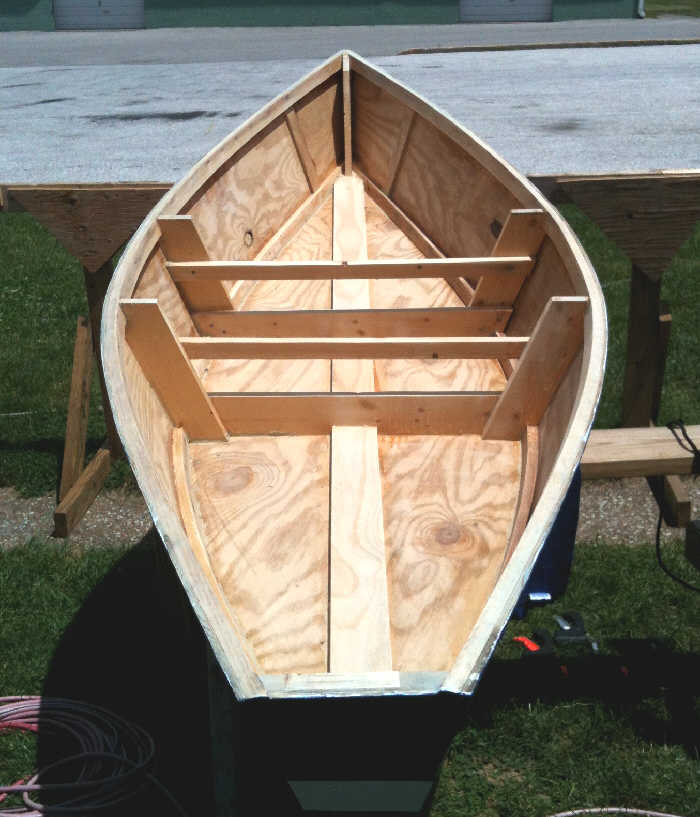
Building a Plywood Boat with Affordable Materials: A DIY Guide
Hey there, fellow water enthusiasts! Ever dreamt of gliding across the lake in a boat you built yourself? Well, your dream can become a reality with this guide on building a plywood boat using affordable materials. It might seem daunting at first, but trust me, it's a rewarding journey filled with learning and satisfaction.
We'll take it step-by-step, from choosing the right plywood to sealing and finishing your masterpiece. So, grab your tools, roll up your sleeves, and let's get started!
Choosing the Right Plywood: The Foundation of Your Boat
The heart of your plywood boat lies in the plywood you choose. Here's what to consider:
Marine Plywood: The Key to Water Resistance
Don't settle for regular plywood! Marine plywood is specially designed for resisting moisture and rot. It's made with waterproof glue and treated veneers, making it perfect for boat construction. Look for a grade like "Marine Grade" or "Exterior Grade" on the plywood label.
Thickness Matters: Balancing Strength and Weight
The thickness of your plywood will influence the strength and weight of your boat. A thicker plywood will create a sturdier boat, but it'll also be heavier.
For a smaller boat, you can get away with 1/4-inch or 3/8-inch plywood. For larger boats, consider using 1/2-inch or even 3/4-inch plywood for added strength.
The Right Size for Your Needs: Measuring Your Boat
Determine the size and shape of your boat based on what you'll be using it for. A small dinghy will require less plywood than a larger rowboat or a kayak. Check online for free boat plans to get started, or you can design your own based on your desired size and shape.
Essential Tools for Your Boat Building Adventure
You'll need a few basic tools to get started. Don't worry, these are things you might already have or can find easily at your local hardware store.
- Saw: A circular saw or a jigsaw will come in handy for cutting the plywood.
- Measuring Tape: Precise measurements are crucial, so a good tape measure is essential.
- Pencil: For marking and transferring measurements.
- Clamps: To hold pieces of plywood together securely during construction.
- Screwdriver: For attaching parts together.
- Safety Gear: Always prioritize safety with safety glasses, gloves, and hearing protection.
Constructing Your Plywood Boat: A Step-by-Step Guide
Now, let's build your boat! Remember to take your time, follow the plans carefully, and don't hesitate to ask for help if needed.
Step 1: Preparing the Plywood
Before starting, ensure your plywood is smooth and free of any defects. Sand it down if needed.
Then, use your plans and measuring tape to mark the plywood for cutting. Be accurate, as precise cuts are crucial for a smooth final product.
Step 2: Cutting the Plywood
Use your saw to carefully cut the plywood based on your marked lines. Take your time and make sure the cuts are straight and clean. A jig saw is great for making curves and shapes.
Step 3: Assembling the Boat
Now, it's time to put the pieces together. Follow your plans meticulously. Secure the pieces using screws or boat-building glue. Clamps are essential for holding the pieces together while the glue dries.
Step 4: Adding Structural Support
To strengthen your boat, you may need to add structural support using ribs, stringers, or bulkheads. These elements provide strength and stability, especially for larger boats.
Step 5: Sealing and Finishing
Once the boat is assembled, seal it with a marine-grade sealant to protect it from moisture. Choose a sealant designed for use on plywood and follow the manufacturer's instructions. After sealing, consider adding a final layer of paint or varnish for protection and aesthetic appeal.
Tips for Success: Making Your Boat Last
Here are a few tips to ensure your plywood boat stays afloat and in top condition:
- Choose the Right Glue: Use a waterproof marine-grade glue for all your joints. It's essential for long-lasting strength.
- Prevent Rot: Regularly check your boat for any signs of rot or moisture damage. If you notice any problems, address them immediately.
- Proper Storage: When not in use, store your boat in a dry and well-ventilated area to prevent moisture buildup.
- Maintenance Matters: Regularly clean and inspect your boat for any signs of wear and tear. Address any issues promptly to prevent bigger problems.
Commonly Asked Questions
Here are some common questions people have about building a plywood boat:
Q: How long does it take to build a plywood boat?
The time it takes to build a plywood boat depends on the size and complexity of the boat. A simple dinghy could be built within a few weekends, while a larger rowboat might take several weeks or even months.
Q: How much does it cost to build a plywood boat?
The cost of building a plywood boat depends on the materials you choose, the size of the boat, and the features you include. You can keep costs down by using affordable materials and doing most of the work yourself. A small dinghy could be built for a few hundred dollars, while a larger rowboat could cost a few thousand.
Q: Do I need any special skills to build a plywood boat?
Basic woodworking skills are helpful, but they're not required. There are plenty of resources available to help you learn the skills you need. Following plans carefully and taking your time is key to success.
Q: What kind of plans should I use?
There are numerous boat plans available online and at boating supply stores. Look for plans specifically designed for plywood construction. Make sure the plans are detailed and easy to understand.
Q: Can I build a plywood boat that's safe?
Yes, you can build a safe plywood boat. Follow the plans carefully, use high-quality materials, and inspect your boat regularly.
I hope this guide has inspired you to take on this rewarding DIY project. Happy boating!


No comments:
Post a Comment
Note: Only a member of this blog may post a comment.