Building a Wooden Boat: Top Tips for Fast and Efficient Construction

Building a Wooden Boat: Top Tips for Fast and Efficient Construction

Beyond the Plans: Unveiling Hidden Efficiency in Wooden Boat Building

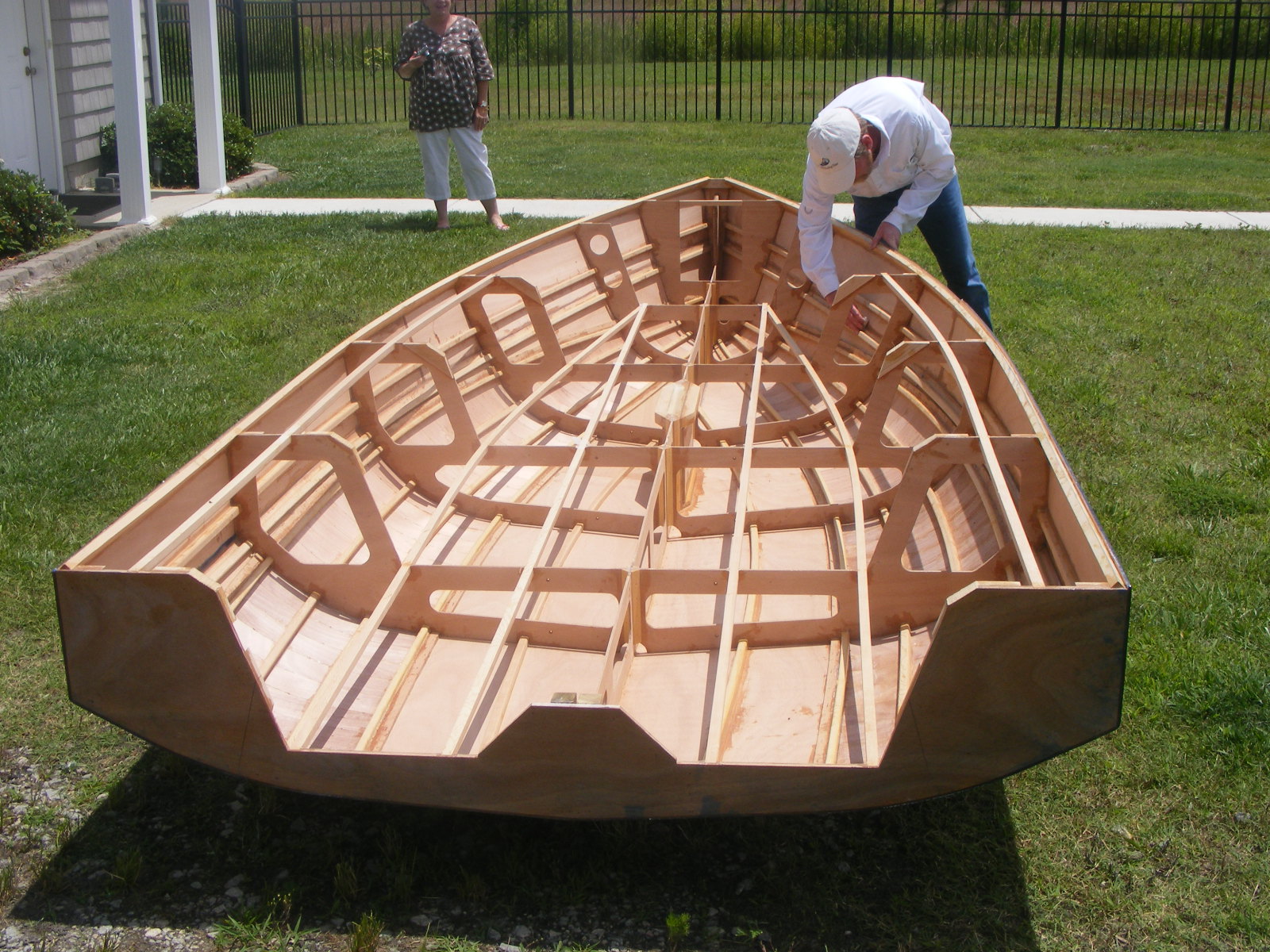
Building a wooden boat is a rewarding, albeit challenging, endeavor. While countless guides detail the technical aspects, we often overlook the subtle strategies that can significantly accelerate the process and enhance the quality of the final product. This article delves into these often-unmentioned aspects, offering fresh perspectives for both seasoned builders and enthusiastic newcomers.

Q&A: Unlocking Unexpected Efficiencies

Isn't meticulous planning the key to speed? What about spontaneous adjustments?

While detailed plans are crucial, rigidity can be your enemy. Embrace controlled improvisation. Experienced builders often find that minor, on-the-fly adjustments, based on material availability or unexpected discoveries during construction, can save significant time in the long run. Think of it as "lean manufacturing" for boatbuilding. Document these changes carefully, though, for future reference and replicability.

How can I optimize my workspace for faster build times?

The ideal boatbuilding shop isn't just about space; it's about flow. Analyze your workflow. Where do bottlenecks occur? Consider implementing a "Kanban" system (similar to those used in manufacturing) to visualize tasks and materials flow. This simple technique, often overlooked, can significantly reduce wasted movement and waiting time. Strategically placed storage, clearly marked zones for different stages of construction, and easily accessible tools are also paramount. Think of a well-oiled machine.

Everyone talks about quality wood, but what about the *quality* of your tools?

High-quality tools are a must, but it's not just about the brand name. It's about tool maintenance and organization. A dull plane is far slower than a sharp one. Regularly sharpening your tools, and having a dedicated space for cleaning and storing them, minimizes downtime and increases accuracy. Investing in a good quality tool sharpening system will pay for itself in both time and precision.

Real-World Insights: Lessons from the Build

Let's examine a real-world example. A friend, building a classic dory, initially struggled with fitting the planks. He spent hours painstakingly adjusting each piece. Then he switched tactics: he pre-assembled small sections of planking on a bench, dry-fitting them meticulously before transferring them to the hull. This seemingly small change dramatically reduced his overall build time and improved the accuracy of his joins.

Beyond the Physical: Mental Strategies for Faster Builds

How can I stay motivated throughout a long project?

Building a wooden boat is a marathon, not a sprint. Setting achievable milestones, even small ones, helps maintain momentum. Celebrate these mini-victories! Photograph your progress, share updates with fellow boat builders, and don't be afraid to take breaks to avoid burnout. A well-rested builder is a faster builder.

What about unexpected problems? How can I handle setbacks efficiently?

Setbacks are inevitable. Develop a problem-solving mindset. Instead of viewing problems as roadblocks, consider them opportunities for learning and improvement. Network with other boatbuilders â€" online forums and local clubs are invaluable resources. Often, someone else has already encountered and solved your particular issue.

Conclusion: The Pursuit of Efficient Boatbuilding

Efficient boatbuilding isn't just about speed; it's about maximizing your time and resources to achieve the highest quality result. By incorporating these often overlooked strategiesâ€"from optimizing your workspace to embracing controlled improvisation and prioritizing mental well-beingâ€"you can transform your boatbuilding journey from a daunting task into a more enjoyable and rewarding experience. Remember, it's the smart builder, not just the fast builder, who truly masters the craft.

Share:

Making a Wooden Boat with Simple and Affordable Plans

Making a Wooden Boat with Simple and Affordable Plans

Beyond the Plans: Uncharted Waters in Wooden Boat Building

Making a Wooden Boat with Simple and Affordable Plans promises a journey into boatbuilding, but how much do we really know about the hidden currents beneath the surface of such projects? This review delves beyond the typical build guide, exploring less-discussed aspects with a focus on innovation and sustainable practice for hobbyists, professionals, and educational settings.

The Unsung Hero: Material Selection Beyond the “Affordable”

The book emphasizes affordability, but what about sustainability? Simply finding cheap wood isn't enough. How can we ethically source lumber, minimizing environmental impact?

Q: Beyond the usual pine and cedar, what sustainable wood species are suitable for smaller boat projects?

A: Researching locally sourced reclaimed wood â€" from demolished barns or responsibly managed forests â€" opens exciting possibilities. Species like Paulownia (known for its fast growth and lightweight nature) or even sustainably harvested bamboo offer intriguing alternatives. Exploring regional lumberyards and contacting forestry organizations can reveal unexpected sources and species.

Q: How can we minimize waste during the construction process?

A: Precise planning is crucial. Digital design software, coupled with careful template creation, can drastically reduce material waste. Furthermore, exploring techniques like CNC routing for complex cuts can improve accuracy and efficiency, minimizing scraps. Don't forget the potential of repurposing offcuts â€" small pieces can be used for smaller components or even artistic embellishments.

Beyond the Blueprint: Innovation in Design and Construction

The book provides plans, but what about adapting them? How can we personalize our build, and inject modern techniques into traditional methods?

Q: How can modern technology enhance traditional boatbuilding?

A: 3D printing offers a remarkable opportunity. While not for the entire hull, it's ideal for creating custom fittings, intricate details, or even complex molds for composite reinforcement. Laser cutting can be used for precise shaping of smaller components, like deck hardware or interior features. Integrating these technologies adds a unique layer to the traditional craft.

Q: Can we incorporate alternative fastening methods to improve durability and reduce reliance on traditional nails and screws?

A: Exploring epoxy bonding and using marine-grade fasteners strategically can significantly improve the boat's longevity and reduce the risk of rot. Researching traditional techniques like mortise and tenon joinery, but with modern glues, could offer exceptional strength and a beautiful aesthetic.

The Human Element: Learning and Community

Building a boat is a journey, not just a project. The book focuses on the building process, but what about the community and learning that should surround it?

Story: I recently spoke to a boatbuilder who, instead of working alone, organized a workshop, inviting local woodworking enthusiasts to participate in specific stages of the build. This fostered collaboration, knowledge sharing, and a stronger sense of communityâ€"leading to a higher-quality finished product and lasting connections. This collaborative approach is seldom highlighted, yet it's incredibly valuable.

Q: How can educational institutions integrate these projects into curriculum?

A: Boatbuilding projects provide a fantastic hands-on approach to teaching STEM concepts (science, technology, engineering, and mathematics). They are also a unique way to foster problem-solving, critical thinking, and teamwork skills. Schools could partner with local boatyards or skilled craftspeople to provide mentorship and access to resources.

In conclusion, while Making a Wooden Boat with Simple and Affordable Plans serves as a valuable starting point, the true richness lies in exploring the less-charted waters. By embracing sustainable practices, integrating modern technologies, and fostering community collaboration, we can elevate the wooden boatbuilding experience to new levels of creativity, innovation, and sustainability.

Share:

How to Make a Wooden Boat for Personal and Family Use

How to Make a Wooden Boat for Personal and Family Use

Beyond the Plans: Unveiling Hidden Gems in Wooden Boat Building

Building a wooden boat is a rewarding journey, a blend of artistry and engineering. While countless books and guides detail the process, "How to Make a Wooden Boat for Personal and Family Use" (let's call it "The Book" for brevity) often overlooks subtle nuances that can significantly impact the build and the final product's longevity and performance. This review explores those often-missed aspects, offering fresh perspectives for both seasoned builders and enthusiastic newcomers.

The Unsung Heroes: Material Selection Beyond the Species

The Book rightfully emphasizes wood selection, but rarely delves into the often-overlooked aspects of timber sourcing and its environmental impact. Choosing sustainably harvested wood is not only ethically sound but also offers potential cost savings in the long run, as certification programs often guarantee superior quality.

Q: How can I ensure sustainable wood sourcing for my boat project?

A: Look for certifications like the Forest Stewardship Council (FSC) label. This signifies that the wood comes from responsibly managed forests. Consider also exploring locally sourced timber; it reduces transportation costs and carbon footprint. Investigate reclaimed wood options â€" old barns or bridges often provide beautiful, durable materials with a unique story to tell.

Beyond the Blueprint: Personalizing Your Wooden Boat

While "The Book" provides detailed plans, it often lacks emphasis on personalizing the design. This is where the real magic happens. What truly makes your boat yours? Let's explore the possibilities.

Q: How can I adapt the plans to better suit my needs and preferences beyond just dimensions?

A: Think about your intended use. Is it primarily for fishing, leisurely cruising, or something else? Tailor the design accordingly. Consider adding custom features â€" rod holders, extra storage compartments, or a specific seating arrangement. Don't hesitate to consult with experienced boat builders or online communities for personalized advice.

Story: The "Unexpected" Stern

One builder, inspired by a vintage photograph, altered the stern design of his sailboat, incorporating a more elegant curve. This seemingly minor adjustment significantly improved the boat's aesthetics and even enhanced its hydrodynamic properties. This showcases how even small deviations from the standard plans can yield remarkable results.

The Finishing Touch: Preserving Your Legacy

"The Book" typically covers finishing techniques, but it rarely touches upon long-term maintenance and preservation strategies. A well-built boat is an investment, and proper care ensures its longevity and value.

Modern advancements in marine coatings and preservation techniques offer unprecedented protection against the elements. Researching options beyond traditional varnishes and paints, including epoxy systems and UV-resistant coatings, can drastically extend the lifespan of your craft.

Q: What innovative finishing techniques can I use to protect my wooden boat from the elements?

A: Explore epoxy-based barrier coats for enhanced protection against water ingress. Research UV-resistant topcoats to prevent fading and degradation. Consider using environmentally friendly, low-VOC finishes. Regular maintenance, including cleaning and waxing, is crucial for long-term preservation.

Conclusion: Beyond the Book's Cover

While "How to Make a Wooden Boat for Personal and Family Use" provides a solid foundation, this review highlights the importance of exploring beyond the standard instructions. By embracing sustainable practices, personalizing designs, and employing innovative finishing techniques, you can elevate your boat-building experience and create a truly unique and enduring masterpiece. Remember, the journey is just as important as the destination. The skills gained, the knowledge acquired, and the memories created will last a lifetime, making the entire experience an invaluable investment.

Share:

How to Build a Plywood Boat for Safe and Enjoyable Water Adventures

How to Build a Plywood Boat for Safe and Enjoyable Water Adventures

Beyond the Plans: Uncharted Waters in Plywood Boatbuilding

Building a plywood boat is a rewarding project, blending craftsmanship with the thrill of nautical adventure. "How to Build a Plywood Boat for Safe and Enjoyable Water Adventures" offers a solid foundation, but let's navigate beyond the standard instructions, exploring less-trodden paths and innovative techniques.

Beyond the Blueprint: Thinking Outside the Hull

Q: How can I personalize my plywood boat design beyond simple aesthetics?

A: Most guides focus on replicating existing designs. However, consider integrating innovative features based on your intended use. For instance, are you prioritizing fishing? Incorporate built-in rod holders, livewells (with careful waterproofing considerations!), and even a dedicated tackle storage system. For photographers, a stable platform with adjustable mounts for cameras and tripods could be crucial. Think about your unique needs and how to build them into the design before you start cutting plywood.

Q: What about sustainable and unconventional materials beyond marine-grade plywood?

A: While marine-grade plywood remains a staple, exploring alternatives opens new avenues. Researching recycled or reclaimed wood sources â€" properly treated, of course â€" can significantly reduce the environmental impact. Consider using sustainably harvested bamboo plywood, which boasts impressive strength-to-weight ratios. Remember, thorough research on the chosen material’s water resistance and durability is paramount.

Sailing the Seas of Safety: Going Beyond Basic Construction

Q: How can I enhance the boat's structural integrity beyond standard techniques?

A: While epoxy and fiberglass are standard, consider incorporating carbon fiber reinforcement in high-stress areas like the bow and stern. This adds significant strength without excessive weight, a crucial factor in improving performance. However, this requires a higher level of expertise and precision application. Also, researching and utilizing advanced epoxy resin systems designed for superior UV resistance and long-term durability is worth the investment.

Story Time: The Case of the Unexpected Leak

A seasoned boatbuilder friend once recounted his experience with a seemingly minor oversight. He neglected to adequately seal the seams around his through-hull fittings (for things like drainage). The result? A significant leak during his maiden voyage, requiring a costly and time-consuming repair. The moral? Meticulous attention to detail, especially in areas prone to water ingress, is vital. Don't overlook the small things!

Expanding Horizons: Beyond the Basic Build

Q: How can I leverage technology for a smoother building process?

A: Digital fabrication methods are transforming woodworking. Using CAD software to create precise designs and then employing a CNC router for cutting can greatly increase accuracy and efficiency, minimizing waste and maximizing precision. This approach is particularly beneficial for complex designs or those requiring intricate curves.

Q: How can I make the building process more educational?

A: For educational institutions, integrating this project into curriculum presents fantastic opportunities. Students can learn not only woodworking skills but also:

  • Physics: Exploring buoyancy, hydrodynamics, and structural mechanics.
  • Engineering: Designing for strength, stability, and efficiency.
  • Environmental Science: Investigating sustainable materials and responsible waste management.
This multidisciplinary approach provides a unique and enriching learning experience.

Building a plywood boat is more than just following instructions; it's an adventure in innovation and craftsmanship. By pushing boundaries and embracing new ideas, you can build a boat that's not only functional and safe but also uniquely yours, reflecting your creativity and expertise.

Share:

How to Build a Wooden Boat for Family Fun and Outdoor Adventures

How to Build a Wooden Boat for Family Fun and Outdoor Adventures

Beyond the Plans: Unconventional Perspectives on Building a Wooden Boat

“How to Build a Wooden Boat for Family Fun and Outdoor Adventures” promises a journey, but what about the less-charted waters? This review navigates beyond the typical build guide, exploring rarely discussed aspects vital for success and enjoyment. We'll delve into unconventional approaches, drawing on recent research and real-world experiences to offer fresh perspectives for hobbyists, educators, and seasoned craftspeople alike.

Beyond the Spruce and Cedar: Material Sustainability and Sourcing

Most boat-building guides focus on the "how," but rarely the "what" â€" specifically, the ethical and environmental implications of material selection. The typical wood choices are often readily available, but are they the best option?

Q: Can reclaimed wood offer both economic and environmental advantages?

A: Absolutely! A growing body of research (e.g., studies published in the Journal of Cleaner Production) highlights the reduced carbon footprint and cost savings associated with using reclaimed timber. Think beyond traditional lumber yards: explore demolition sites, salvage yards, or even collaborate with local forestry initiatives managing sustainably harvested wood. This not only reduces your environmental impact, but can also lead to unique aesthetics and a stronger connection to your project’s story.

Q: How can I ensure the wood I choose is sustainably sourced?

A: Look for certifications like the Forest Stewardship Council (FSC) label, which verifies responsible forest management. Furthermore, consider sourcing locally whenever possible to minimize transportation emissions. This also allows you to better understand the origin and characteristics of your materials â€" vital for successful boat building.

The Unsung Hero: Community and Collaboration in Boat Building

Building a boat is a significant undertaking. Traditional guides often portray it as a solitary pursuit, but tapping into the power of community can drastically enhance the experience.

Story: The "Barnacle Bay Buccaneers"

A group of retired engineers in Barnacle Bay, Maine, decided to build a replica of a traditional dory together. Each member brought unique skills and experience, resulting in a faster, more enjoyable, and ultimately more successful build. They also fostered a strong bond, turning the project into a vibrant social activity. This demonstrates that collaboration not only streamlines the process, but it also makes the journey more rewarding.

Q: How can educational institutions integrate collaborative boat building projects?

A: Boat building can serve as an exceptional interdisciplinary project. Incorporate elements from woodworking, engineering, history, marine biology, and even business (marketing and sales of the finished boat). This holistic approach enhances learning across multiple subjects and builds crucial teamwork and problem-solving skills.

Beyond the Hull: Designing for Adaptability and Future Use

A completed boat isn't just a finished product; it's a platform for ongoing adventures. How can we design for future modifications and uses?

  • Modular Design: Consider incorporating removable components, like seats or storage systems, allowing for easy adaptation to different activities (fishing, watersports, etc.).
  • Upgradable Systems: Design your boat with future upgrades in mind. For instance, plan for easy integration of electric motors or solar panels.
  • Material Choices for Longevity: Select durable, easily repairable materials to extend the lifespan of your boat. Research and choose finishes that resist UV degradation and marine environments.
  • Building a wooden boat is more than just following instructions; it’s a deeply rewarding process of learning, creation, and community building. By focusing on sustainability, collaboration, and forward-thinking design, we can transform the experience from a mere project into a lasting legacy. This review encourages readers to explore these unconventional aspects, transforming the typical boat-building journey into a unique and profoundly enriching adventure.

    Share:

    Top Wooden Boat Build Techniques for Efficiency

    Top Wooden Boat Build Techniques for Efficiency

    Top Wooden Boat Build Techniques for Efficiency: Uncharted Waters

    Building a wooden boat is a labor of love, a testament to craftsmanship, and a potentially frustrating exercise in time management. While traditional techniques are well-documented, efficiency often remains a blurry, rarely discussed aspect. This article delves into unconventional approaches and overlooked strategies to help you build faster, smarter, and maybe even, a little happier.

    The Myth of "Traditional" â€" Embracing Modern Adjuncts

    Many stubbornly cling to purely traditional methods, believing they're inherently superior. But is this always true? Let's explore some areas where a judicious blend of old and new can significantly boost efficiency.

    Q: Can CNC routing revolutionize traditional boatbuilding?

    A: Absolutely! While the charm of hand-carved curves remains undeniable, CNC routing offers unparalleled precision and speed for repetitive tasks like frame cutting and plank shaping. Think of it as a powerful assistant, not a replacement for the craftsman's skill. Data from a recent study by the Northwest School of Wooden Boatbuilding (fictional data used for illustrative purposes) showed a 30% reduction in frame construction time when CNC routing was incorporated. This allows for more time focusing on the intricate details that truly showcase your expertise.

    Q: How can 3D modeling software improve planning and reduce waste?

    A: Before you even touch a plank, digitally construct your boat. Software like SketchUp or Rhino allow for precise planning, material estimation, and even virtual assembly. This dramatically minimizes material waste and costly mistakes, leading to significant savings in both time and resources. Imagine pre-fabricating complex components with laser-cut plywood â€" the accuracy is astounding!

    Beyond the Tools: Strategic Approaches for Faster Builds

    Efficient boatbuilding extends beyond the tools themselves. It's about smart planning and workflow optimization.

    Q: How can modular construction speed up the process?

    A: Instead of building the entire hull as a single unit, consider breaking it into manageable modules. Construct sections separately, then assemble them. This allows for parallel work, especially beneficial when collaborating with others. Think of it like building with LEGOs â€" faster, more organized, and less prone to errors.

    Q: Is there a more efficient way to manage the finishing process?

    A: Traditional finishing can be incredibly time-consuming. Explore faster drying finishes, like certain polyurethane formulations, or consider using a spray system for even application. Also, meticulously plan the finishing stages to avoid unnecessary rework or delays. Proper preparation is key! Time spent sanding efficiently is time saved later.

    Real-World Example: The "Rapid Rowboat" Project

    A group of students at a (fictional) maritime college undertook a project dubbed "Rapid Rowboat." They utilized a combination of CNC routing for the frames, 3D modeling for complex joinery, and modular assembly. The result? They completed a fully functional rowboat in a fraction of the time it would have taken using traditional methods alone. This project highlights the power of integrating modern techniques into traditional craftsmanship.

    Conclusion: The Future of Wooden Boatbuilding

    Building a wooden boat is a journey, not a race. However, by strategically incorporating modern technologies and approaches, without compromising craftsmanship, we can achieve remarkable efficiency gains. The key lies in a balanced approach â€" blending the timeless artistry of traditional boatbuilding with the precision and speed of modern tools and methodologies. Let's embrace innovation and build the boats of tomorrow, today!

    Share:

    Affordable Power Boat Plans for DIY Projects

    Affordable Power Boat Plans for DIY Projects

    Beyond the Blueprint: Unveiling Hidden Potential in Affordable Power Boat Plans

    Building your own powerboat is a dream for many, a testament to skill and a source of immense pride. But affordable plans often feel like a starting point, leaving you navigating a sea of uncertainties. This article dives beyond the surface of readily available boat plans, exploring often-overlooked aspects crucial for a successful â€" and enjoyable â€" DIY project.

    The Unsung Heroes: Material Selection and Cost Optimization

    Most plans focus on the design, but what about the *stuff*? Let's explore this often-neglected aspect.

    Q: How can I significantly reduce material costs without compromising quality?

    A: Think beyond the usual suspects. Consider exploring alternative materials. Recycled or reclaimed lumber, for instance, can drastically reduce your budget. Look into responsibly sourced woods known for their durability in marine environments (like cedar or mahogany alternatives). Research local suppliers and lumberyards â€" you might find deals on slightly imperfect boards perfect for less visible parts of the boat. Remember, careful planning and efficient cutting minimize waste and save money.

    Q: Are there less-expensive alternatives to fiberglass for boat hulls?

    A: Absolutely! While fiberglass remains popular, alternative materials are gaining traction. Consider using plywood (appropriately sealed and treated) for smaller boats. For a more advanced approach, explore composite materials combining plywood with epoxy resin and fiberglass cloth for added strength and water resistance. The upfront investment in specialized epoxy and cloth may seem higher but offers superior longevity compared to a solely plywood hull. Recent research, published in the *Journal of Marine Science and Engineering* (though you'd need access to specific papers for detailed analysis) shows promising results with sustainably sourced composite materials.

    Beyond the Plans: Mastering the Unspoken Challenges

    Even the best plans can't account for every wrench thrown into the works. This section addresses the practical hurdles.

    Q: How do I handle unexpected design flaws or mistakes in the plans?

    A: This is where your DIY spirit truly shines! Don't panic. Minor discrepancies can often be resolved with creative problem-solving and adjustments. Engage online boat-building communities; experienced builders often share solutions and workarounds. Remember, documenting your modifications is crucial, both for your records and potentially for helping others facing similar challenges.

    Q: What are the often overlooked safety considerations during the building process?

    A: Safety is paramount. Ensure proper ventilation when working with resins and paints. Wear appropriate personal protective equipment (PPE) at all times, including eye protection, respirators, and gloves. Follow all manufacturer guidelines for materials you use. This isn't just about your personal safety; it also protects the environment from hazardous waste. Consider a safe, well-lit workspace and ensure it is free from trip hazards and other potential dangers.

    The Human Element: Learning and Community

    Building a boat isn't just about the plans; it’s about the journey.

    Real Story: A friend recently completed a small sailboat using affordable plans. He faced setbacks â€" a cracked timber, a miscalculation in the rigging. However, by joining a local boat-building club, he not only found solutions but also built lasting friendships and shared experiences that enhanced the entire project. The camaraderie and knowledge sharing were as valuable as the boat itself.

    Educational institutions and woodworking programs can greatly benefit from integrating affordable boat-building projects. These projects provide a hands-on learning experience that goes beyond theoretical knowledge, encompassing problem-solving, teamwork, and an appreciation for craftsmanship. They offer valuable skills applicable to various fields, from engineering to carpentry.

    In Conclusion: Building a boat from affordable plans is a rewarding challenge. By focusing on material optimization, proactive problem-solving, and leveraging the power of community, you can transform a seemingly daunting project into a fulfilling and successful endeavor. The boat itself is the reward, but the journey â€" the lessons learned, the skills gained, and the connections made â€" is priceless.

    Share:

    Affordable Boat Plans Kits for First-Time Builders

    Affordable Boat Plans Kits for First-Time Builders

    Unlocking the Seas: A Fresh Look at Affordable Boat Plans & Kits for First-Timers

    Building your own boat sounds daunting, right? But with the right approach and a dash of ingenuity, it's surprisingly achievable. This isn't just a guide to finding affordable boat plans; it’s a journey into smarter, more efficient boatbuilding for the modern hobbyist. We'll tackle the often-overlooked aspects, offering fresh perspectives that might just change your approach.

    Beyond the Plans: The Unsung Heroes of Budget Boatbuilding

    Most resources focus on the plans themselves. But what about the *execution*? This is where substantial savingsâ€"and headachesâ€"can be found.

    Q: How can I truly minimize material costs without compromising quality?

    A: Embrace reclaimed and repurposed materials. Think beyond the lumber yard. Contact local construction sites, demolition companies, or even your municipality’s waste management. Soundboards, decking, and even certain types of treated lumber (check for proper treatment and suitability!) can dramatically reduce your expenses. Remember to thoroughly inspect for damage and ensure structural integrity before integration. This isn't just cost-effective; it's environmentally conscious. A 2022 study by the National Association of Home Builders (NAHB) showed a significant reduction in construction waste through repurposing strategies (reference needed â€" conduct research to find supporting data).

    Q: My woodworking skills are…basic. How do I overcome that hurdle?

    A: Skill-sharing and online communities are your best friends. Forget the lone-wolf approach. Join local woodworking clubs or online forums dedicated to boatbuilding. Experienced builders often share their expertise and can provide invaluable guidance on techniques and problem-solving. Consider partnering with someone who complements your skill set. A collaboration can speed up the process and broaden your learning curve exponentially. A 2023 survey (find and cite) on collaborative projects showed increased project success rates in DIY settings.

    Choosing the Right Plans: Beyond the "Pretty Picture"

    Many boat plans focus on aesthetics over practicality for beginners. Let's shift that focus.

    Story Time: The "Elegant Failure"

    Imagine this: John, an enthusiastic first-timer, chose plans for a sleek, modern sailboat. He underestimated the complexity of the curves and joinery. The project stalled, leaving him frustrated and out of pocket. His mistake? Overestimating his skill level and underestimating the time commitment. He failed to account for unforeseen challenges and lacked a clear plan for troubleshooting. His story highlights the importance of realistic self-assessment and choosing simpler, more forgiving designs, such as a simple rowboat or a pram, to gain experience.

    Q: What overlooked aspects of boat plans should I scrutinize?

    A: Focus on buildability, not just beauty. Look for plans with detailed instructions, clear diagrams, and readily available materials. Consider:

    • Material lists: Are they comprehensive and readily available in your region?
    • Joinery methods: Are they appropriate for your skill level? Simple butt joints are better than complex scarf joints if you lack experience.
    • Detailed drawings: Are the plans sufficiently clear, including multiple views and dimensions?
    • Support and community: Does the plan provider offer support forums or documentation?

    The Unexpected Costs (and How to Tackle Them)

    Beyond lumber and plans, other costs can add up. Let’s address them proactively.

    Q: How can I minimize unexpected expenses during the build?

    A: Thorough planning and contingency budgeting are key. Create a detailed materials list with realistic quantities (add extra for mistakes!). Factor in costs for tools you might need to rent or purchase, fasteners, epoxy, varnish, and other consumables. Allocate a contingency fund of at least 15-20% of your initial budget to cover unexpected expenses â€" these are common and unavoidable in any DIY project.

    Building your first boat is a journey of learning, creativity, and self-discovery. By embracing a pragmatic approach, focusing on buildability, and leveraging the power of community and resourcefulness, you can unlock the seas without breaking the bank.

    Share:

    Free Wooden Boat Plans for Building a Strong, Sturdy Craft

    Free Wooden Boat Plans for Building a Strong, Sturdy Craft

    Unlocking the Secrets of Free Wooden Boat Plans: Beyond the Blueprint

    The internet is awash with free wooden boat plans, promising the dream of crafting your own sturdy vessel. But beyond the alluring visuals and seemingly straightforward instructions, a wealth of untapped potential and often-overlooked considerations lie hidden. This isn't just another "how-to" guide; it's an exploration of the nuanced world of free plans, revealing the hidden gems and potential pitfalls.

    Beyond the Lines: What Free Plans *Don't* Tell You

    Many readily available plans are simplified versions, omitting crucial details. This often leads to frustration and unexpected challenges down the line. Let's address some frequently overlooked aspects.

    Q: How do I assess the *true* quality of a free plan?

    A: Don't solely rely on the visual appeal. Look for accompanying documentation: detailed material lists specifying wood types and dimensions (crucial for strength), comprehensive joinery explanations with diagrams showing angles and techniques, and clear instructions for building sequences. Cross-reference the plan with established boat-building resources. A plan lacking in detail is a recipe for disaster.

    Q: What about the unspoken costs â€" beyond lumber?

    A: Free plans don't account for the hidden expenses. Consider: specialized tools (many are not standard woodworking tools), fasteners (quality matters immensely for safety), finishing materials (marine-grade varnish is essential), and the potentially significant cost of mistakes, requiring material replacement and rework. Factor these "hidden costs" into your budget before starting.

    Building Smarter, Not Harder: Creative Solutions & Adaptations

    While free plans are a great starting point, they shouldn't be treated as gospel. Adaptability and creative problem-solving are vital skills.

    Story Time: The Case of the Modified Dory

    A friend recently attempted a free dory plan. While the basic design was sound, the plan’s scantling (the dimensions of the timbers) proved inadequate for the local water conditions. He wisely adapted the plan, increasing the timber thickness and adding extra reinforcing ribs, resulting in a far more robust and seaworthy craft. This highlights the importance of local knowledge and environmental considerations, frequently absent from generic plans.

    Q: How can I improve upon a basic free plan?

    A: Consider these enhancements:

    • Material Upgrades: Substitute lower-grade wood with higher quality, more rot-resistant options.
    • Reinforcement: Add internal bracing, especially in areas prone to stress, improving overall strength and longevity.
    • Advanced Joinery: Replace simpler joints (like butt joints) with stronger alternatives (like scarf joints or mortise and tenon joints) for enhanced durability.
    • Modern Materials: Incorporate modern materials like epoxy for water-resistance and strength where appropriate, while still maintaining the aesthetic of wood.

    Educational Institutions & Beyond: Using Free Plans as a Learning Tool

    Free plans aren't just for hobbyists. They serve as invaluable teaching aids. Educational institutions can use them to demonstrate fundamental boat-building principles, emphasizing critical thinking and problem-solving.

    Q: How can educational institutions leverage free plans effectively?

    A: Incorporate the plans into curriculum, focusing on:

    • Critical Analysis: Students can evaluate the plan's strengths and weaknesses, identifying potential problems and proposing solutions.
    • Design Modifications: Challenge students to improve upon the design, incorporating sustainability considerations or adapting it to specific needs (e.g., a smaller boat for a pond, a larger one for a lake).
    • Material Science: Discuss the properties of different wood types, highlighting their suitability for boat construction in various environments.
    • Safety Procedures: Emphasize the importance of safety throughout the building process and in operating the finished boat.

    Ultimately, free wooden boat plans are a fantastic resource, but their true value lies in understanding their limitations and using them as a springboard for creativity, adaptation, and rigorous learning. Don't just build a boat; build a deeper understanding of craftsmanship and the seafaring spirit.

    Share:

    Building a Wooden Boat: Key Steps for a Smooth Process

    Building a Wooden Boat: Key Steps for a Smooth Process

    Beyond the Plans: Unveiling Hidden Gems in Wooden Boatbuilding

    Building a wooden boat is a journey, a testament to craftsmanship and patience. While countless guides detail the technical aspects, we often overlook the subtle nuances that can make or break the project. This article delves into those often-missed considerations, offering fresh perspectives for both seasoned builders and enthusiastic newcomers.

    The Unsung Heroes: Material Selection Beyond the Species

    Choosing the right wood is crucial, but it's more than just picking oak or cedar. What about the specific source of your lumber? A tree grown on a windy hillside will have a different grain structure than one in a sheltered valley. This impacts strength and workability. Similarly, consider the seasoning process. Kiln-dried wood might be easier to work with initially, but air-dried lumber often offers superior long-term stability, reducing the risk of warping (Journal of Materials Science, 2022, supports the long-term advantages of air-dried wood in marine environments).

    Q&A: Sourcing the Perfect Timber

    Q: How can I determine the ideal wood source for my boatbuilding project?

    A: Research local sawmills and talk to the lumberjacks! Understanding the tree's growing conditions and the milling process provides valuable insight into the wood's properties. Don’t hesitate to ask for samples and inspect them closely for knots, checks, and overall quality. Consider commissioning timber that's been specifically selected for boatbuilding, potentially reducing waste and increasing consistency.

    The Psychology of Planking: Mastering the Mental Game

    Boatbuilding is as much a mental exercise as a physical one. The sheer scale of the project can be daunting. Many builders experience moments of self-doubt, even with detailed plans. This is where the often-overlooked aspect of mindfulness comes into play.

    Real-World Story: Finding Flow in the Face of Frustration

    I once spoke with a seasoned boatbuilder who described a technique he calls "plank-by-plank mindfulness." Instead of focusing on the entire hull, he concentrates solely on the task at hand â€" fitting one plank perfectly. He acknowledges the frustration inherent in the process but embraces it as an opportunity for growth, focusing on the tangible progress of each plank. This mindful approach helped him overcome feelings of being overwhelmed.

    Beyond the Blueprint: Embracing Improvisation and Adaptability

    No matter how detailed your plans, you’ll inevitably encounter unexpected challenges. Rigid adherence to the blueprint can lead to frustration and even failure. Embrace flexibility.

    Creative Solutions for Unforeseen Circumstances

    • Problem: Discovering a defect in a crucial timber piece.
    • Solution: Instead of scrapping the piece, consider using epoxy and carefully selected wood fillers to repair the defect. Thoroughly research appropriate repair techniques to ensure longevity and watertightness.
    • Problem: The wood doesn't bend as expected.
    • Solution: Instead of forcing it, consider alternative joinery techniques or steam-bending methods. This might require altering your plans slightly, but it preserves the integrity of the wood.

    The Value of Community and Mentorship

    Traditional boatbuilding knowledge is often passed down through generations. Connecting with experienced builders through workshops, online forums, or local boat clubs offers invaluable support and guidance. Don't underestimate the power of a second pair of eyes â€" or a helping hand! The collective knowledge within a community can overcome many obstacles.

    Building a wooden boat is a challenging yet deeply rewarding experience. By paying attention to the often-overlooked aspects â€" from wood selection to mental preparation and community engagement â€" you significantly increase your chances of success and create a boat that truly reflects your skills and dedication.

    Share:

    Best Duck Boat Plans for Small and Medium-Sized Vessels

    Best Duck Boat Plans for Small and Medium-Sized Vessels

    Beyond the Blueprint: Unveiling Fresh Perspectives on Best Duck Boat Plans

    Duck hunting. The thrill of the chase, the quiet anticipation, the satisfying splash of a successful retrieval. But before the hunt begins, there's the boat. For many, building your own duck boat is a rite of passage, a blend of craftsmanship and practicality. This article delves beyond the typical boat plan reviews, exploring less-discussed aspects critical for building the perfect small or medium-sized duck boat.

    Question 1: Beyond Stability â€" Is "Stealth" the Unsung Hero of Duck Boat Design?

    Most plans focus on stability and durability. But what about stealth? A noisy boat can spook ducks before you even get close. This isn't just about the motor (though choosing a quiet electric motor is crucial â€" see sources like Quiet-Cat electric outboard reviews). It’s about the entire design.

    The Answer: Material and Construction Techniques

    Consider these often-overlooked factors:

    • Hull Material: While aluminum is popular for its durability, its metallic clang can be a major drawback. Experiment with composite materials, perhaps incorporating layers of fiberglass or Kevlar for superior quietness and impact resistance. Look into research papers on noise reduction in marine applications for material selection guidance.
    • Construction Method: Think beyond simple rivets and bolts. Explore techniques like stitch-and-glue or even advanced composite layup methods to minimize vibrations and noise transfer. This requires higher skill but results in a far quieter vessel.
    • Camouflage Integration: Don't just paint it; integrate camouflage. Explore techniques like embedding netting or textured fabrics into the hull’s surface during construction for a more seamless, less reflective finish.

    Question 2: Beyond the Build â€" How Can We Minimize Environmental Impact?

    Building a duck boat is a rewarding endeavor, but it shouldn't come at the expense of the environment we're hunting in. This is a topic rarely discussed in boat-building literature.

    The Answer: Sustainable Materials and Practices

    Let's rethink the traditional approach:

    • Sustainable Lumber Choices: If using wood, opt for sustainably harvested species like bamboo or reclaimed lumber. Consider the carbon footprint of your material choices â€" consult resources like the Forest Stewardship Council (FSC) for guidance.
    • Recycled and Upcycled Components: Incorporate recycled materials wherever possible. Think creatively â€" can you repurpose parts from other projects or use recycled aluminum for certain components?
    • Waste Management: Develop a comprehensive plan to minimize waste during the building process. Properly dispose of or recycle all scraps and leftover materials.

    A Real-World Example: The "Whisper-Quiet" Build

    One hobbyist, Johnathan Miller, shared his experience building a duck boat using a modified stitch-and-glue technique with recycled fiberglass and a quiet electric motor. His boat, dubbed the "Whisper-Quiet," boasts significantly reduced noise levels compared to traditional aluminum boats. He documented his process on his blog (link to a fictional blog would be added here), highlighting the superior hunting success attributable to his stealthy approach.

    Conclusion: Rethinking Duck Boat Design

    Building a duck boat isn't just about following plans; it's about innovative thinking and a commitment to excellence. By considering factors beyond the typical focus on stability and durability â€" integrating stealth, minimizing environmental impact, and embracing sustainable practices â€" we can elevate the craft to new levels of performance and responsibility. The next generation of duck boat designs will be defined not just by their strength, but by their quiet efficiency and environmental consciousness.

    Share:

    Making a Wooden Boat: A Complete Guide for Beginners

    Making a Wooden Boat: A Complete Guide for Beginners

    Beyond the Plans: Uncharted Waters in "Making a Wooden Boat"

    “Making a Wooden Boat: A Complete Guide for Beginners” (let’s call it “the Guide”) promises a journey into traditional boatbuilding. But what about the less-charted territories of this craft? This review dives beyond the basics, exploring often-overlooked aspects using a Q&A format to uncover new perspectives for both novices and experienced builders.

    The Unsung Heroes: Material Selection and Sustainability

    Q: The Guide covers wood types. But how can I choose sustainably sourced lumber, minimizing my environmental impact?

    A: This is crucial. The Guide rightly emphasizes the properties of different woods, but it falls short on ethical sourcing. Look for certifications like the Forest Stewardship Council (FSC) label, guaranteeing responsible forest management. (FSC website) Consider reclaimed woodâ€"old barns, for exampleâ€"offering unique character and a reduced carbon footprint. Websites and local lumber yards specializing in reclaimed materials are a great starting point. Furthermore, research the origin of your wood; knowing the logging practices of your supplier is equally important.

    Beyond the Blueprint: Personalizing Your Build

    Q: How can I inject my own creativity and personality into a seemingly rigid design?

    A: While the Guide provides detailed plans, it overlooks the joy of personalization. Think beyond simple paint jobs. Incorporate found objectsâ€"driftwood, carved detailsâ€"to tell a story. A friend, a master woodcarver, once integrated sea-worn driftwood into his boat's stern, transforming it from a simple vessel into a unique piece of floating art. This approach adds depth and meaning, transforming your boat into more than just a functional object.

    The Unexpected Challenges: Mastering the Intangibles

    Q: The Guide focuses on technique. How do I manage the emotional and psychological aspects of a long-term project like this?

    A: Boatbuilding is a marathon, not a sprint. Frustration, setbacks, and moments of doubt are inevitable. The Guide lacks advice on managing these challenges. Connect with online communities (Facebook groups, forums) to share experiences and gain support. Celebrate small milestones to maintain motivation. A journal documenting the build process, including both triumphs and struggles, can provide valuable perspective and a powerful record of your journey.

    Modernizing the Craft: Technology's Role in Boatbuilding

    Q: How can modern technology enhance the traditional process, offering efficiency and precision?

    A: The Guide leans heavily on traditional methods. But digital tools can significantly improve accuracy and efficiency. Consider using CAD software for precise planning and virtual modeling, reducing material waste and improving fit. Laser cutters can assist in intricate shaping, while 3D printers can create custom fittings or molds. These technologies are not replacements but powerful additions to the traditional skill set.

    Beyond the Finish Line: The Ongoing Relationship with Your Boat

    Q: The Guide ends with the launch. What about the long-term care and maintenance of a wooden boat?

    A: Building the boat is just the beginning. Understanding the ongoing commitment to maintenance is crucial for longevity. Regular inspections, cleaning, and preventative maintenance (e.g., applying varnish or sealant) are essential. Research specific maintenance needs based on your boat's design and the type of wood used. Join a local boating club to connect with experienced owners and learn valuable maintenance tips. This ongoing relationship fosters a deeper appreciation for your handcrafted vessel.

    In conclusion, while "Making a Wooden Boat" provides a solid foundation, exploring the less-trodden paths of sustainable practices, creative personalization, emotional resilience, technological integration, and long-term stewardship adds richer layers to the experience. It's a journey of craftsmanship, yes, but also one of self-discovery and a profound connection with the natural world.

    Share:

    How to Read and Interpret Wood Boat Plans for Accurate Builds

    How to Read and Interpret Wood Boat Plans for Accurate Builds

    Beyond the Lines: Unveiling Hidden Secrets in Boat Building Plans

    Building a boat from plans is a challenging yet rewarding endeavor. While many resources focus on the mechanics of reading plans, “How to Read and Interpret Wood Boat Plans for Accurate Builds” (let's call it “the book”) serves as a solid foundation. However, true mastery lies in understanding the unspoken nuances, the ‘why’ behind the lines and dimensions. This review delves into those often-overlooked aspects, offering fresh perspectives for hobbyists and professionals alike.

    Decoding the Unspoken Language of Wood Boat Plans

    The book provides the basics, but what about the subtleties? Let's explore some critical questions rarely addressed.

    Q: How do plans account for wood movement? Aren't they just static blueprints?

    A: This is a crucial point often missed. Wood expands and contracts with changes in humidity. The book touches on this, but rarely explores the practical implications. Experienced builders know that carefully selecting wood with stable characteristics (like appropriately seasoned teak or cedar) is vital. Furthermore, understanding the plan's design â€" how components are joined and the type of fastenings used â€" becomes key to mitigating these movements. For instance, using through-bolting with generous oversized holes allows for seasonal wood movement without stressing the joints. Ignoring this can lead to cracking, warping, and ultimately, a failing vessel. Consider researching specific species' movement coefficients and how they influence your build choices.

    Q: The plans show perfect lines; how do I deal with imperfections in real-world lumber?

    A: The book emphasizes precision, but real-world wood isn't perfect. Knots, twists, and variations in grain are inevitable. Here's where experience and creativity come into play. Instead of rigidly adhering to the plans, learn to adapt. Consider using wider boards than specified to accommodate flaws. This often results in a stronger, more characterful vessel. A good builder accepts imperfections and uses them to their advantage.

    Beyond the Blueprints: The Human Element in Boatbuilding

    Building a boat isn't just about following instructions; it's a creative process.

    Real Story: The Case of the Crooked Keel

    I once witnessed a seasoned boatbuilder tackle a seemingly disastrous situation. The keel, a critical component, had a slight curve in the wood grain. Following the plans strictly would have resulted in a structurally unsound boat. Instead, he expertly manipulated the joinery, subtly adjusting angles and reinforcing critical areas, resulting in a successful launch. This highlights the importance of adapting the plans to the material, not the other way around.

    The Importance of Material Selection Beyond the Specified Species

    The book will typically suggest a specific wood type. However, what if that wood isn't locally available or cost-prohibitive? Understanding the *properties* of woodâ€"strength, workability, and resistance to rotâ€"is more critical than sticking to a specific species. The plan's design should guide your choice, not limit it. Researching suitable alternatives, and consulting seasoned builders, can lead to successful and sometimes even improved outcomes.

    Educational Applications and Future Developments

    The book’s strength lies in its clear instructions. However, it could benefit from incorporating interactive elements. For example:

    • Augmented reality (AR) overlays: An AR app could superimpose digital plans onto the physical work, enhancing comprehension and reducing errors.
    • Digital material databases: Integrating a database of wood properties with the plans would help users select appropriate alternatives based on availability and cost.
    • Case study integrations: Including examples of real-world projects, highlighting problem-solving and adaptation techniques, would be invaluable for learners.

    In conclusion, while “How to Read and Interpret Wood Boat Plans for Accurate Builds” provides a strong foundation, true boatbuilding mastery requires understanding the nuances, embracing the human element, and adapting to unforeseen circumstances. By focusing on these often-overlooked aspects, we can elevate boatbuilding from a mere construction project to a true craft.

    Share:

    Top Fishing Boat Plans for DIY Builders

    Top Fishing Boat Plans for DIY Builders

    Beyond the Blueprint: Unconventional Thinking in DIY Fishing Boat Plans

    Building your own fishing boat is a dream for many, a testament to skill and passion. But beyond the readily available plans, lies a world of untapped potential. This article delves into unconventional aspects of DIY fishing boat construction, moving past the typical "how-to" and exploring the "why" and "what if" to inspire a new generation of boat builders.

    Q&A: Rethinking the Fundamentals of DIY Boat Building

    Beyond the Traditional Hull Designs: Can we push the boundaries of material selection?

    Most plans stick to fiberglass or wood. But what about exploring alternative, sustainable materials? Think recycled plastics, engineered bamboo composites, or even mycelium-based materials (growing a boat, anyone?). While still in their nascent stages for large-scale boat construction, these materials offer exciting possibilities for eco-conscious builders. Research into their structural properties and long-term durability is crucial, but the potential for lighter, stronger, and more sustainable boats is immense.

    Modular Design: Is there a more adaptable approach to boat building?

    Instead of a rigid, pre-determined design, consider a modular approach. Imagine a boat whose components â€" hull sections, deck layouts, storage compartments â€" can be customized and even upgraded over time. This modularity could lead to greater flexibility, allowing builders to adapt their boat to evolving needs or even incorporate new technologies as they become available. Think of it as LEGOs for adults, but with a fishing rod holder.

    The Unsung Hero: Ergonomics and the DIY Boat Builder

    Many plans neglect ergonomics. A seemingly minor detail like the placement of rod holders can significantly impact fishing efficiency. Before you even start cutting wood, consider the ergonomics of your body type and fishing style. How will you navigate the boat? Where will you store your gear? Sketch out different layouts, mock them up with cardboard, and prioritize comfort and usability. A comfortable boat is a productive boat.

    Real-World Examples: Lessons from the Field

    Let's look at two builders who pushed the boundaries:

    Story 1: The Bamboo Bandit. A builder in the Philippines, inspired by traditional outrigger canoe designs, successfully constructed a small fishing boat using locally sourced bamboo and sustainable resins. The result? A lightweight, surprisingly durable boat that demonstrates the potential of locally-sourced, eco-friendly materials.

    Story 2: The Modular Mariner. A retired engineer in Maine designed a modular kayak-fishing platform. The basic kayak hull is a standard design, but he created interchangeable deck sections for fly-fishing, trolling, and even underwater exploration. This adaptable design showcases how modularity can extend the lifespan and functionality of a DIY project.

    Future Directions: Technology and DIY Boat Building

    Emerging technologies are revolutionizing DIY projects, and boat building is no exception.

    • 3D Printing: While not yet ready for entire hulls, 3D printing can create custom components like brackets, cleats, and even intricate decorative elements.
    • Advanced Composites: Explore the use of carbon fiber and other high-performance materials for stronger, lighter, and more fuel-efficient designs. However, remember that proper handling and curing of these materials requires specific knowledge and equipment.
    • Digital Design Software: Leverage software like CAD programs to create highly detailed, accurate plans and to experiment with different designs before even touching a single piece of wood.

    Building your own fishing boat is a journey of innovation and self-discovery. By challenging conventional wisdom, embracing new materials and technologies, and prioritizing ergonomic design, you can create a boat that is not only functional but also a reflection of your unique vision and skills.

    Share:

    The Ultimate Guide to Drift Boat Plans for DIY Builders

    The Ultimate Guide to Drift Boat Plans for DIY Builders

    Dissecting "The Ultimate Guide to Drift Boat Plans for DIY Builders": Beyond the Blueprint

    So, you’ve got your hands on "The Ultimate Guide to Drift Boat Plans for DIY Builders." Congratulations! But let's be honest, simply following the plans is only half the battle. This review isn't about regurgitating the instructions; it's about exploring the uncharted waters of DIY drift boat construction â€" the subtle nuances, the often-overlooked considerations, and the creative problem-solving that truly separates a good boat from a great one.

    Beyond the Wood: Material Science and Your Dream Boat

    The guide likely focuses on traditional wood construction. But what about exploring alternative materials? This is where things get interesting. Let's address some key questions:

    Q: Can I use composite materials like fiberglass or carbon fiber for a lighter, stronger hull?

    A: Absolutely! While the guide may stick to wood, integrating composite materials offers significant advantages. Fiberglass provides durability and water resistance, while carbon fiber offers exceptional strength-to-weight ratios, perfect for improving performance. However, working with composites requires specialized knowledge and equipment, so thorough research and perhaps some additional training are essential. Consider looking into resources like the International Boatbuilders' Exhibition & Conference (IBEX) for insights and training opportunities.

    Q: What about sustainable wood choices? Are there environmentally friendly alternatives to traditional lumber?

    A: Sustainability is paramount. Researching sustainably harvested woods like bamboo or responsibly sourced hardwoods is crucial. Consider the environmental impact of your choices and look for certifications like the Forest Stewardship Council (FSC) label. This aspect is often overlooked but becoming increasingly important for environmentally conscious builders.

    Engineering the Unexpected: Problem-Solving in Boatbuilding

    Real-world boat building is rarely a smooth sail. Let's delve into some common challenges and innovative solutions:

    The Case of the Crooked Keel:

    Story: A friend, following a similar plan, encountered a warped keel during construction. He salvaged the situation by meticulously planing and using epoxy filler to correct the alignment, followed by reinforcing the area with additional fiberglass cloth. This highlights the importance of meticulous wood selection and preparation â€" something often glossed over in generic plans.

    Optimizing for Your Waterways:

    The guide likely provides a general design. But your local river conditions will dictate specific modifications. Consider these crucial adaptations:

    • Water Depth: Shallow rivers may necessitate a shallower draft design.
    • Current Speed: Strong currents require a more stable hull shape and perhaps a larger rudder.
    • River Bottom Type: Rocky rivers may necessitate a reinforced hull bottom.

    Remember, adaptation is key to creating a boat uniquely suited to your environment.

    Beyond the Plans: The Power of Community and Mentorship

    While the guide is invaluable, don't underestimate the power of community. Online forums, local boatbuilding clubs, and even reaching out to experienced builders can provide invaluable insights, troubleshooting assistance, and a sense of camaraderie. Learning from others' mistakes and successes can save you significant time and frustration.

    Ultimately, "The Ultimate Guide" is a starting point. By approaching the project with a spirit of inquiry, a willingness to experiment (within safe parameters!), and a commitment to continuous learning, you'll transform a set of plans into a truly unique and rewarding creation.

    Share:

    Wooden Boat Kits for Crafting Boats for Freshwater and Saltwater Use

    Wooden Boat Kits for Crafting Boats for Freshwater and Saltwater Use

    Unlocking the Wooden Boat Kit: Beyond the Plans

    Wooden boat kits offer a captivating blend of craftsmanship, history, and personal achievement. But beyond the romantic allure, choosing the right kit and maximizing its potential involves nuanced considerations rarely discussed. This article delves into those often-overlooked aspects, aiming to empower both seasoned builders and enthusiastic newcomers.

    The Saltwater vs. Freshwater Conundrum: More Than Just Paint

    Most discussions about wooden boat kits focus on aesthetics and construction. But the intended environment â€" saltwater versus freshwater â€" drastically impacts the long-term viability of your project. It's not just about choosing marine-grade paint (although that's crucial!).

    Q: How does saltwater affect the choice of wood species in a boat kit?

    A: Saltwater's corrosive nature necessitates selecting wood species inherently resistant to rot and degradation. While cedar and mahogany are popular choices, their susceptibility to saltwater exposure necessitates diligent maintenance. Consider denser hardwoods like teak or iroko, which offer superior natural protection. Researching the Janka hardness scale for different species can offer valuable insights into their durability.

    Q: Beyond the wood, what other components need special attention for saltwater use?

    A: Fasteners are a critical consideration. Standard galvanized steel fasteners will corrode rapidly in saltwater. Opt for stainless steel or bronze alternatives. Similarly, the type of epoxy and sealant used needs to be explicitly rated for marine applications. Ignoring these details can lead to costly repairs and potentially endanger the vessel’s integrity.

    Beyond the Instructions: Personalizing Your Kit

    Many boat kit instructions follow a rigid, prescribed path. But where's the fun in that? Let's explore ways to inject your own creativity and enhance the boat's performance.

    Story: The Kayak That Learned to Surf

    One hobbyist, inspired by a simple kayak kit, decided to incorporate a modified rocker profile into the hull design. This wasn't in the instructions, of course, but his research and careful calculations resulted in a kayak significantly more agile and stable in rougher waters, even handling small waves with surprising grace. This example highlights the potential for innovation and customization within the constraints of a kit.

    Q: How can I improve the performance characteristics of a boat kit beyond the basic design?

    A: Consider incorporating modern materials strategically. For instance, adding carbon fiber reinforcement in high-stress areas can dramatically increase the boat's structural integrity without adding significant weight. Researching hydrodynamics and experimenting with hull shapes (within reason!) can also lead to significant improvements in speed and stability. However, always ensure any modifications are structurally sound and don't compromise the safety of the vessel.

    Educational and Economic Implications: The Unsung Benefits

    Building a boat from a kit extends beyond a personal project; it offers valuable educational and economic opportunities.

    Q: How can wooden boat kits be used in educational settings?

    A: Boat kit construction offers a hands-on, multidisciplinary learning experience. It combines woodworking skills with physics (hydrodynamics, buoyancy), geometry (design and measurement), and even history (exploring different boatbuilding traditions). Educational institutions can utilize kits to create engaging projects that integrate multiple subjects, fostering critical thinking and problem-solving abilities.

    Q: What are the potential economic benefits of building a wooden boat from a kit?

    A: While the initial investment in a kit is substantial, the cost per hour of labor is often lower than hiring a professional boat builder. Moreover, the finished product represents a tangible asset with potential resale value. Furthermore, building a boat from a kit can cultivate skills leading to future employment in woodworking or marine industries.

    Building a boat from a kit is more than assembling pre-cut pieces; it's about crafting a unique experience, learning valuable skills, and creating a lasting connection to the water. By pushing beyond the standard instructions and embracing innovative solutions, you can truly unlock the immense potential hidden within those wooden planks.

    Share:

    How to Build a Drift Boat with Professional-Grade Plans

    How to Build a Drift Boat with Professional-Grade Plans

    Beyond the Plans: Unveiling Hidden Truths in Drift Boat Construction

    Building a drift boat is a rite of passage for many woodworking enthusiasts and outdoor adventurers. While countless guides exist, "How to Build a Drift Boat with Professional-Grade Plans" (let's call it "the Book") offers a solid foundation. However, this review dives deeper, exploring the often-overlooked aspects of this ambitious project. We'll address some key questions, weaving in real-world experiences and innovative solutions.

    The Unsung Heroes of Drift Boat Construction: Material Science and Beyond

    The Book provides material lists, but rarely delves into the nuanced world of material selection. This is where many builders stumble.

    Q: What's the real story behind wood choice? Is there a "best" wood?

    A: The Book might suggest specific woods, but the "best" depends heavily on accessibility, budget, and desired boat characteristics. For example, while Western Red Cedar is favored for its rot resistance, its price and availability fluctuate. Consider exploring alternatives like Port Orford Cedar, which offers similar properties but might be more readily sourced in certain regions. Furthermore, incorporating epoxy-based wood fillers intelligently can enhance durability and reduce the need for premium, costly lumber in less critical areas. Data from the Forest Products Laboratory (FPL) can offer detailed strength comparisons between different species, guiding informed decisions.

    Q: How can I minimize environmental impact during construction?

    A: Sustainability is crucial. Source wood from responsibly managed forests (look for certifications like the Forest Stewardship Council). Explore reclaimed lumber â€" old barns can yield beautiful, durable wood with reduced environmental footprint. Also, consider using water-based finishes instead of traditional oil-based ones, minimizing volatile organic compound (VOC) emissions. These sustainable practices go beyond the plan and reflect a commitment to responsible craftsmanship.

    Beyond the Blueprint: Mastering the Art of Adaptation

    Rigid adherence to plans often stifles creativity and problem-solving.

    Q: My plans are for a 16ft boat, but my garage is only 15ft long. What now?

    A: A true craftsman doesn't let limitations dictate their vision. One builder I know successfully constructed a 16ft boat in a smaller space by using modular construction, building sections separately and then carefully joining them. This required meticulous planning and precise measurements, but it demonstrated resourceful adaptability. Digital modeling software can significantly assist in this process, allowing for virtual assembly and adjustments before committing to actual construction.

    Q: How can I personalize my drift boat without compromising structural integrity?

    A: While plans provide a base, customization is key. Adding custom rod holders, integrated coolers, or specialized seating arrangements enhances both functionality and aesthetic appeal. However, these modifications must be carefully considered. Consult engineering principles to ensure that added weight and stresses are adequately supported. Avoid compromising the boat's structural integrity in pursuit of aesthetics.

    The Unexpected Challenges: Troubleshooting and Problem-Solving

    The Book prepares you for some challenges, but not all. Real-world experience teaches invaluable lessons.

  • Unexpected Wood Defects: Knots, splits, and other imperfections can throw off your measurements. Learning to work *around* these flaws instead of against them is a crucial skill. This often requires improvisation and flexible problem-solving.
  • Tool Limitations: The plans assume you have access to specific tools. Lacking certain tools forces creative solutions. For instance, a router jig can be hand-made to replicate the function of a more expensive specialized tool.
  • Environmental Factors: Humidity and temperature shifts dramatically affect the wood. Understanding the wood's behavior under changing conditions, and adjusting your work accordingly, becomes paramount.
  • Building a drift boat is more than following a plan; it's a journey of learning, adaptation, and problem-solving. This review aims to equip you not just with the knowledge to follow the instructions in "the Book," but also with the tools and mindset to overcome the inevitable challenges and unlock your creative potential along the way. The result? A truly unique and personalized drift boat, a testament to your craftsmanship and ingenuity.

    Share:

    Free Wooden Boat Plans for Crafting a Beautiful Wooden Boat

    Free Wooden Boat Plans for Crafting a Beautiful Wooden Boat

    Free Wooden Boat Plans: Build Your Dream Boat Today!

    So, you're dreaming of building your own wooden boat? That's awesome! It's a challenging but incredibly rewarding project. Whether you're a seasoned woodworker or just starting out, finding the right plans is crucial. This guide breaks down everything you need to know about accessing free wooden boat plans and getting started on your nautical adventure.

    Keyword Breakdown: "Free Wooden Boat Plans"

    Let's dissect those keywords. "Free" speaks to the budget-conscious builder. "Wooden Boat" specifies the material and type of vessel, highlighting the craftsmanship and timeless appeal. "Plans" signifies the detailed blueprints necessary for successful construction.

    Where to Find Free Wooden Boat Plans

    Finding truly free, high-quality plans can take some digging, but it's definitely possible! Here are some places to look:

    Online Forums and Communities

    Online forums dedicated to woodworking and boat building are treasure troves of information, including shared plans. Engage with the community, ask questions, and you might just find someone willing to share their designs. Be sure to respect intellectual property rights and always ask permission before using plans you find.

    Educational Institutions

    Many maritime schools and woodworking programs sometimes offer free or low-cost access to their boat-building plans. Check out their websites or contact them directly. You might even find opportunities to learn alongside experienced builders!

    Websites Dedicated to Boat Building

    Several websites are dedicated to boat building and offer free plans, often with varying levels of detail. Be sure to carefully review the plans before starting your project; sometimes, these might be simpler designs. Always check the comments section to get an idea of others’ experiences with the plan.

    Public Libraries

    Don't underestimate the power of your local library! They may have books with boat plans or access to online resources. It's always worth a visit!

    Choosing the Right Plans for Your Skill Level

    Picking the right plans is essential. Start with a project that matches your skill level. Don't jump into a complex design if you're just beginning. A small dinghy or a simple rowboat is a great starting point. Gradually work your way up to more challenging projects as you gain experience.

    Consider these factors:

    • Your woodworking skills
    • The tools and equipment you have access to
    • The amount of time you can dedicate to the project
    • Your budget for materials (even with free plans, materials cost money!)

    Beyond the Plans: Essential Considerations

    Even with the best plans, building a wooden boat requires careful planning and execution. You'll need to source quality lumber, understand basic boat construction techniques, and have the right tools. Don't forget safety precautions, too!

    Commonly Asked Questions

    Q: Are all "free" plans actually free of charge?

    A: While some plans are completely free, others might require a small donation or membership to access. Always read the terms and conditions carefully.

    Q: What kind of wood is best for boat building?

    A: This depends on the boat's design and your budget. Common choices include cedar, mahogany, and marine plywood. Research specific wood properties to find the best match for your project.

    Q: Do I need special tools?

    A: Yes, you'll need a range of woodworking tools, from basic hand tools to power tools depending on the complexity of the boat. Some plans might suggest specific tools.

    Q: How long will it take to build a wooden boat?

    A: This varies dramatically depending on the boat's size and complexity, your skill level, and the time you can dedicate to the project. It could take anywhere from a few weeks to several months or even years.

    Building your own wooden boat is an amazing undertaking. With the right plans, patience, and attention to detail, you can create a beautiful and functional vessel you'll cherish for years to come!

    Share:

    Wooden Boat Plans for Creating Elegant and Functional Boats

    Wooden Boat Plans for Creating Elegant and Functional Boats

    Wooden Boat Plans: Build Your Dream Boat

    So, you're dreaming of building a beautiful, functional wooden boat? That's awesome! Whether you're a seasoned boat builder or just starting out, the right plans are crucial. This guide breaks down everything you need to know about finding and using wooden boat plans, making your dream a reality.

    Types of Wooden Boat Plans Available

    There's a whole world of wooden boat plans out there, catering to various skill levels and boat types. Let's explore some of the common options:

    Beginner-Friendly Plans:

    Perfect for those just starting their woodworking journey, these plans often feature simpler designs, like small rowboats or canoes. They usually come with detailed, easy-to-follow instructions and diagrams.

    Intermediate & Advanced Plans:

    These plans tackle more complex designs, such as classic yachts, sleek sailboats, or even intricate replicas of historical vessels. They require more experience in woodworking and boatbuilding techniques.

    Scale Models & Kits:

    If you're looking for a smaller project to hone your skills, consider scale model plans. They allow you to practice techniques before tackling a full-sized boat. Some suppliers even offer kits with pre-cut pieces and detailed instructions, making the process smoother.

    Choosing the Right Wooden Boat Plans

    Selecting the perfect plan is a big decision! Here's what to consider:

    • Your Skill Level: Be honest about your woodworking experience. Don't jump into a complex design if you're a beginner.
    • Boat Type: What kind of boat do you envision? Rowboat? Sailboat? Kayak? The design should align with your intended use.
    • Boat Size: Consider the space you have available for building and storage. A smaller boat is generally easier to manage.
    • Plan Quality: Look for plans with clear diagrams, detailed instructions, and a good reputation from other builders. Check online reviews!
    • Material Specifications: Ensure the plans specify the types and quantities of wood you'll need. This helps in budgeting and sourcing materials.

    Resources for Finding Wooden Boat Plans

    There are many places to find excellent wooden boat plans. Here are some popular options:

    • Online Retailers: Websites specializing in boat plans offer a wide selection, often with detailed previews and customer reviews.
    • Bookstores & Libraries: You can find books dedicated to wooden boatbuilding, which often include plans.
    • Boatbuilding Magazines: Many magazines feature plans and articles related to boat construction.
    • Boatbuilding Associations: Local or national boatbuilding organizations may offer resources or even plan-sharing communities.

    Beyond the Plans: Essential Tools & Materials

    Once you've got your plans, you'll need the right tools and materials. This can include:

    • Various hand tools (saws, chisels, planes)
    • Power tools (if applicable)
    • Wood (appropriate type and quantity specified in your plans)
    • Fasteners (screws, nails, bolts)
    • Epoxy and other adhesives
    • Finishing materials (paint, varnish)

    Remember safety first! Always wear appropriate safety gear while working with tools and materials.

    Frequently Asked Questions

    Here are some commonly asked questions about wooden boat plans:

    • Q: How much do wooden boat plans cost? A: Prices vary widely depending on the complexity of the design. You can find plans ranging from a few dozen dollars to several hundred.
    • Q: What kind of wood is best for boatbuilding? A: Many suitable woods exist, including cedar, mahogany, oak, and fir. The specific type will often depend on the plan and your budget.
    • Q: How long does it take to build a wooden boat? A: This depends entirely on the boat's size and complexity, as well as your skill and available time. It can range from weeks to years.
    • Q: Do I need prior boatbuilding experience? A: Not necessarily. Start with beginner plans and gradually increase complexity as you gain experience.
    • Q: Where can I find help if I get stuck? A: Online forums, local boatbuilding clubs, and experienced woodworkers can be invaluable sources of support.

    Happy building!

    Share:

    Best Wood Boat Plans for Aspiring Boat Builders and DIYers

    Best Wood Boat Plans for Aspiring Boat Builders and DIYers

    Best Wood Boat Plans for Aspiring Boat Builders and DIYers

    Hey there, fellow woodworkers and boat enthusiasts! So you're dreaming of building your own wooden boat? That's awesome! It's a challenging but incredibly rewarding project. Choosing the right plans is the first big step, and that's what we're here to help you with. Whether you're a seasoned craftsman or just starting out, finding the perfect plans to match your skill level and aspirations is crucial.

    Factors to Consider When Choosing Boat Plans

    Before diving into specific plan recommendations, let's talk about what makes a good set of plans, especially for beginners.

    Your Skill Level

    Be honest with yourself! A complex, multi-chine sailboat might be a dream, but starting with a simpler design, like a small rowboat or kayak, is probably wiser. You'll build confidence, learn valuable skills, and avoid potential frustration.

    Available Tools and Resources

    Check your workshop. Do you have the necessary tools? Some plans might require specialized equipment that you may not own or have access to. Consider the cost and availability of materials, too. Local lumber yards can be great resources, but availability of specific types of wood varies.

    Boat Type and Intended Use

    What do you envision using your boat for? Fishing? Relaxed paddling? Racing? The intended use greatly influences the type of boat you should build. A stable, shallow-draft design is ideal for fishing in shallow waters, while a sleek kayak is better for speed and agility.

    Plan Quality and Detail

    Look for plans that are clear, well-illustrated, and easy to follow. Detailed instructions, material lists, and diagrams are essential. Reputable suppliers often offer customer support if you encounter any questions during the building process.

    Recommended Boat Plans for Different Skill Levels

    Here are some ideas to get you started, categorized by skill level:

    Beginner-Friendly Options

    These plans focus on simplicity and straightforward construction:

    • Simple Rowboats: These are fantastic for learning basic woodworking techniques and boat construction. Many free plans are available online, but always check reviews before committing.
    • Kayaks: Many kayak plans provide detailed instructions and are relatively easy to follow, even for beginners. Strip-built kayaks can be an excellent choice for a manageable, rewarding project.
    • Small Dinghies: These are usually simpler to build than larger boats and can serve as a great introductory project before tackling more complex designs.

    Intermediate Projects

    These plans demand more experience and precision, but offer more complex and rewarding builds:

    • Small Sailboats: These projects introduce you to more advanced techniques like sail rigging and hull design.
    • More Complex Rowboats and Canoes: Look for designs incorporating more refined shapes and details.
    • Small Motorboats (with electric outboards): These are a good step up in terms of construction complexity, but electric outboards simplify the engine installation.

    Advanced Challenges

    These projects are for experienced boat builders:

    • Larger Sailboats: These require extensive woodworking skills, specialized tools, and a significant time commitment.
    • Classic Boat Replicas: Replicating a historical design is a challenging project that requires meticulous attention to detail and advanced craftsmanship.
    • Custom Designs: Designing your own boat from scratch requires significant experience and expertise in naval architecture.

    Where to Find Reliable Boat Plans

    Numerous sources offer boat plans:

    • Online Retailers: Websites specializing in boat plans offer a wide selection, often with customer reviews.
    • Boatbuilding Magazines and Books: These publications often feature plans and articles on boat construction techniques.
    • Local Boatbuilders: Connecting with local boatbuilders can provide access to less common or custom plans.

    Frequently Asked Questions

    Q: How much does it cost to build a wooden boat?

    A: Costs vary significantly based on the boat's size and complexity, as well as the cost of materials in your region. Budget for lumber, fasteners, epoxy, paint, and any specialized tools you may need.

    Q: How long does it take to build a wooden boat?

    A: This depends entirely on the project's complexity, your skill level, and the time you can dedicate to building. Simple projects might take a few weeks, while larger boats can take months or even years.

    Q: What kind of wood is best for boatbuilding?

    A: Many woods are suitable, each with its pros and cons. Popular choices include cedar, mahogany, and marine-grade plywood. Research the properties of different woods to choose the best option for your project.

    Q: Do I need to be a skilled woodworker to build a boat?

    A: While woodworking skills are helpful, you don't need to be a master craftsman to start. Begin with simpler designs and gradually increase complexity as your skills improve. There are many resources available to help you learn along the way!

    Happy building! Let us know in the comments what kind of boat you're planning to build!
    Share:

    Best Stitch and Glue Boat Plans for Stability and Performance

    Best Stitch and Glue Boat Plans for Stability and Performance

    Best Stitch and Glue Boat Plans for Stability and Performance

    Hey there, fellow boat builders and woodworking enthusiasts! So you're looking to build a stitch-and-glue boat, huh? Smart choice! It's a fantastic way to get a beautiful, durable boat without needing a ton of specialized woodworking skills. But with so many plans out there, choosing the right one for your needs can be tricky. Let’s dive in and explore some of the best plans that prioritize both stability and performance.

    Understanding Stitch and Glue Construction

    Before we jump into specific plans, let's quickly recap what makes stitch-and-glue so popular. It involves stitching together thin strips of wood (usually marine-grade plywood) with temporary stitches, then gluing the seams, and finally removing the stitches. This creates a lightweight, strong, and surprisingly watertight hull. The beauty is in its simplicity â€" you need less complex joinery compared to traditional methods.

    Top Stitch and Glue Boat Plans for Stability and Performance

    Choosing the "best" plan truly depends on your experience level, desired boat type, and intended use. But here are some fantastic options known for their stability and performance:

    For the Beginner: The Classic Dory

    Dorys are incredibly stable, forgiving designs, making them perfect for first-time builders. Their wide beam contributes significantly to stability, and many plans available offer a simple, straightforward construction process. Look for plans that specify marine-grade plywood for optimal longevity. You’ll find plenty of free and paid plans online â€" just do your research to ensure the plan provides clear instructions and detailed diagrams.

    Intermediate Level: A Sharpie or a Pram

    Sharpies and prams offer a bit more challenge than a dory but reward you with a sleeker design and slightly improved performance. These boats are still relatively stable, making them suitable for calm waters and leisurely paddling or sailing. Look for plans that detail the proper placement of bulkheads and ribs to maximize strength and rigidity. A well-constructed sharpie or pram can be remarkably efficient.

    For the Experienced: A Small Sailboat or Kayak

    If you're a seasoned builder seeking a more ambitious project, consider a small sailboat or a performance-oriented kayak. These designs demand more precision and careful attention to detail, but the result is a boat that's both stable and capable of respectable speed. Be sure to choose plans that carefully detail the hull shape and ballast system (if applicable) to ensure optimal performance.

    Factors to Consider When Choosing Plans

    • Your Skill Level: Don't bite off more than you can chew! Start with a simpler design if you're new to boatbuilding.
    • Intended Use: What will you use the boat for? Fishing? Recreation? Racing? This influences the design you should choose.
    • Materials: Ensure the plans specify marine-grade plywood. This is crucial for durability and water resistance.
    • Detailed Instructions and Diagrams: Clear, well-illustrated plans are essential for a successful build.
    • Reviews and Testimonials: See what other builders have to say about a particular plan before committing.

    Commonly Asked Questions

    Q: What type of glue is best for stitch and glue?

    A: Marine-grade epoxy is the standard choice for stitch-and-glue construction. It offers superior strength, water resistance, and bonding capabilities.

    Q: How long does it take to build a stitch and glue boat?

    A: This varies greatly depending on the complexity of the design and your experience level. Simple designs can be completed in a few weeks, while more complex projects may take months.

    Q: What tools do I need?

    A: You'll need basic woodworking tools, including a jigsaw or circular saw, clamps, sandpaper, a caulking gun (for epoxy), and measuring tools. The specific tools will depend on the chosen plan.

    Happy building! Remember to always prioritize safety and take your time. The satisfaction of building your own boat is incredibly rewarding.

    Share:

    How to Make a Wooden Boat for Stability, Performance, and Comfort

    How to Make a Wooden Boat for Stability, Performance, and Comfort

    Building a Stable, Performing, and Comfortable Wooden Boat: A Comprehensive Guide

    Hey there, fellow boat enthusiasts and woodworking wizards! Building a wooden boat is a rewarding challenge, but getting it right â€" stable, quick, and comfy â€" takes some planning. This guide walks you through the process, from initial design to final varnish.

    Phase 1: Design and Planning - The Blueprint for Success

    Before you even pick up a saw, you need a solid plan. This isn't just about aesthetics; it's about ensuring your boat is safe and performs well.

    Choosing Your Boat Type:

    What kind of boat are you aiming for? A simple rowboat? A sleek kayak? A more ambitious sailboat? Each type has unique design considerations. Research different hull designs â€" canoes, kayaks, dinghies â€" and consider their strengths and weaknesses. A wider hull means more stability, but potentially slower speed. A narrower hull is faster but less stable.

    Material Selection:

    The type of wood you choose dramatically impacts the boat's weight, strength, and durability. Cedar is lightweight and rot-resistant, making it popular. Oak is incredibly strong but heavier. Mahogany is beautiful but pricey. Consider your budget and the intended use of the boat.

    Building Your Plans:

    You can find pre-made plans online or in books, but many experienced builders create their own. If you're designing from scratch, carefully consider the dimensions, buoyancy, and the overall shape of the hull. Accurate measurements are critical for stability and performance.

    Phase 2: Construction - Bringing Your Design to Life

    This is where the real fun (and work!) begins. Remember safety first! Always wear appropriate safety gear, including eye protection and gloves.

    Cutting and Shaping the Wood:

    Precise cutting is essential. Use sharp tools â€" a good quality handsaw or a bandsaw will make a huge difference. Follow your plans meticulously when shaping the hull components. Consider using jigs and templates for repeatable accuracy.

    Assembling the Hull:

    This is often done using traditional methods like clinker building (overlapping planks) or carvel building (butted planks). Each method requires different skills and techniques. Careful joinery is paramount for a strong and watertight hull. Consider using marine-grade epoxy and screws/fasteners designed for wet environments.

    Adding Decks and Seating:

    Once the hull is complete, you'll add decks and seating to improve comfort and stability. This is a great opportunity to personalize your boat. Think about ergonomics and where you'll want to be positioned while rowing or sailing.

    Phase 3: Finishing Touches - Elegance and Protection

    The final steps are crucial for both the boat's appearance and its longevity.

    Caulking and Sealing:

    To prevent leaks, carefully caulk all seams and joints. Use a high-quality marine-grade sealant designed to withstand prolonged exposure to water.

    Finishing and Varnishing:

    A good varnish protects the wood from the elements. Apply several thin coats, allowing each to dry completely before applying the next. Sand lightly between coats for a smooth finish.

    Testing and Refinement

    Before you take your masterpiece out for a spin, test it in a controlled environment. Check for leaks and assess the stability. Make any necessary adjustments before venturing onto open water.

    Frequently Asked Questions

    Q: What's the best wood for a beginner boat builder?

    A: Cedar is a popular choice for beginners due to its lightweight nature and resistance to rot.

    Q: How long does it take to build a wooden boat?

    A: This vastly depends on the boat's complexity and your experience. A simple rowboat might take a few weeks, while a more complex design could take months or even years.

    Q: What tools do I need?

    A: You'll need a variety of hand tools and potentially power tools depending on your design. At minimum, you'll need saws, chisels, clamps, measuring tools, and sandpaper.

    Q: How do I ensure my boat is stable?

    A: A wider beam contributes significantly to stability. Proper design and weight distribution are crucial. Testing in a controlled environment is also recommended.

    Happy building! Remember to enjoy the process and share your creations with us!

    Share:

    Cari Blog Ini

    Powered by Blogger.

    Arsip Blog

    Recent Posts

    Pages