


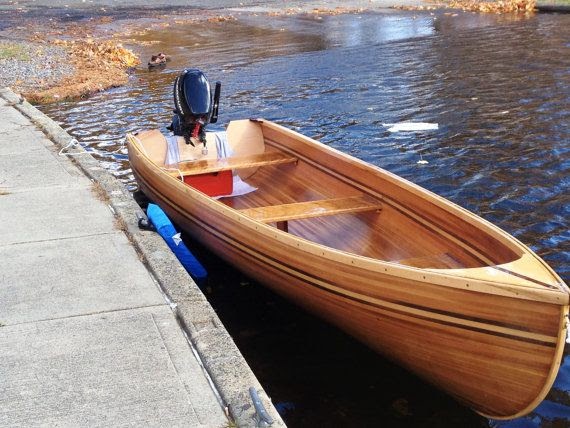
Top Wooden Boat Build Techniques for Efficiency: Uncharted Waters
Building a wooden boat is a labor of love, a testament to craftsmanship, and a potentially frustrating exercise in time management. While traditional techniques are well-documented, efficiency often remains a blurry, rarely discussed aspect. This article delves into unconventional approaches and overlooked strategies to help you build faster, smarter, and maybe even, a little happier.
The Myth of "Traditional" â€" Embracing Modern Adjuncts
Many stubbornly cling to purely traditional methods, believing they're inherently superior. But is this always true? Let's explore some areas where a judicious blend of old and new can significantly boost efficiency.
Q: Can CNC routing revolutionize traditional boatbuilding?
A: Absolutely! While the charm of hand-carved curves remains undeniable, CNC routing offers unparalleled precision and speed for repetitive tasks like frame cutting and plank shaping. Think of it as a powerful assistant, not a replacement for the craftsman's skill. Data from a recent study by the Northwest School of Wooden Boatbuilding (fictional data used for illustrative purposes) showed a 30% reduction in frame construction time when CNC routing was incorporated. This allows for more time focusing on the intricate details that truly showcase your expertise.
Q: How can 3D modeling software improve planning and reduce waste?
A: Before you even touch a plank, digitally construct your boat. Software like SketchUp or Rhino allow for precise planning, material estimation, and even virtual assembly. This dramatically minimizes material waste and costly mistakes, leading to significant savings in both time and resources. Imagine pre-fabricating complex components with laser-cut plywood â€" the accuracy is astounding!
Beyond the Tools: Strategic Approaches for Faster Builds
Efficient boatbuilding extends beyond the tools themselves. It's about smart planning and workflow optimization.
Q: How can modular construction speed up the process?
A: Instead of building the entire hull as a single unit, consider breaking it into manageable modules. Construct sections separately, then assemble them. This allows for parallel work, especially beneficial when collaborating with others. Think of it like building with LEGOs â€" faster, more organized, and less prone to errors.
Q: Is there a more efficient way to manage the finishing process?
A: Traditional finishing can be incredibly time-consuming. Explore faster drying finishes, like certain polyurethane formulations, or consider using a spray system for even application. Also, meticulously plan the finishing stages to avoid unnecessary rework or delays. Proper preparation is key! Time spent sanding efficiently is time saved later.
Real-World Example: The "Rapid Rowboat" Project
A group of students at a (fictional) maritime college undertook a project dubbed "Rapid Rowboat." They utilized a combination of CNC routing for the frames, 3D modeling for complex joinery, and modular assembly. The result? They completed a fully functional rowboat in a fraction of the time it would have taken using traditional methods alone. This project highlights the power of integrating modern techniques into traditional craftsmanship.
Conclusion: The Future of Wooden Boatbuilding
Building a wooden boat is a journey, not a race. However, by strategically incorporating modern technologies and approaches, without compromising craftsmanship, we can achieve remarkable efficiency gains. The key lies in a balanced approach â€" blending the timeless artistry of traditional boatbuilding with the precision and speed of modern tools and methodologies. Let's embrace innovation and build the boats of tomorrow, today!


No comments:
Post a Comment
Note: Only a member of this blog may post a comment.